The Many Types of Ants Found in the Northeastern United States: A Guide to Identification and Habits
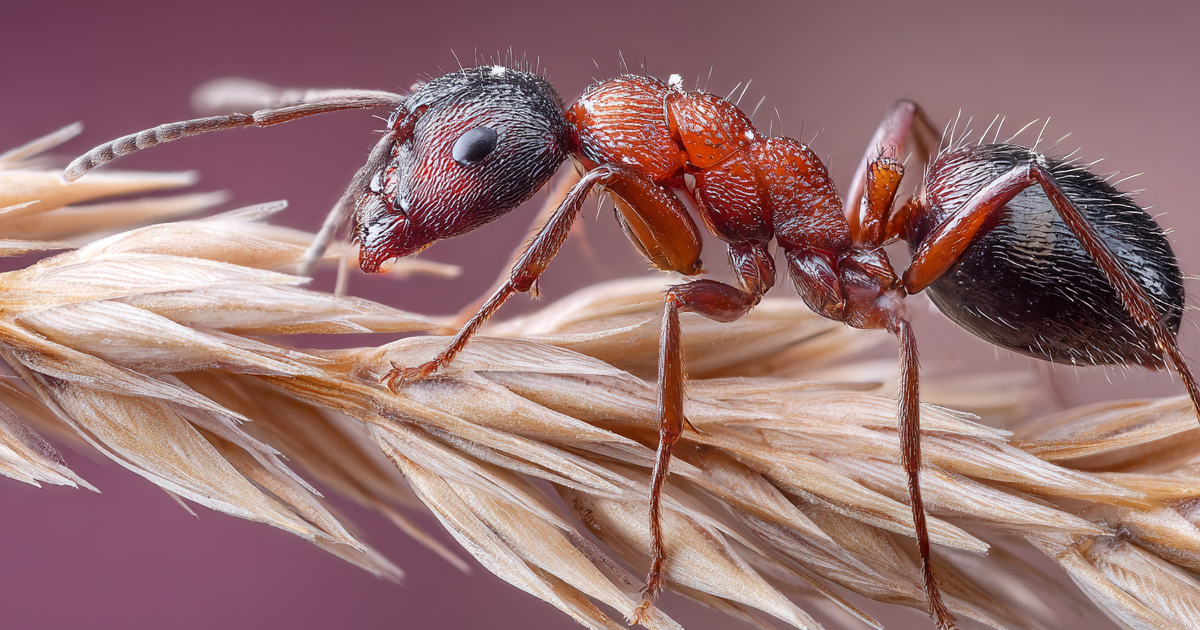
Ants are one of the most common—and sometimes most frustrating—insects in the Northeastern United States. From bustling backyards to shaded forest floors, ants are everywhere, playing vital roles in local ecosystems while occasionally intruding into human spaces. Knowing which species you're dealing with can help you understand their behavior, manage infestations, or simply appreciate their complexity.
Here’s a detailed look at the most encountered ant species in the Northeastern U.S., including their appearance and habits.
________________________________________
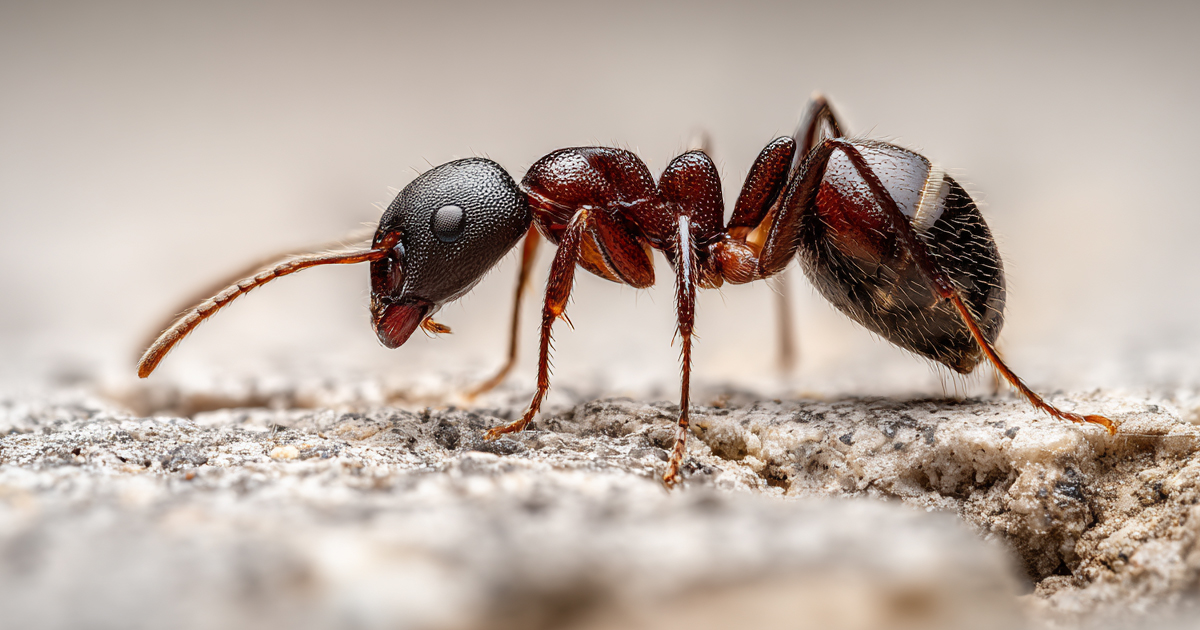
The Carpenter Ant (Camponotus spp.)
Appearance:
• Size: Large (¼ to ½ inch long)
• Color: Typically black, but some species can be red and black or entirely reddish
Habits:
Carpenter ants are wood excavators. They don’t eat wood like termites, but instead tunnel through it to build their nests—often in dead trees, rotting logs, or moist, decaying structural wood in homes. They're most active at night and are often found trailing along walls, tree trunks, or baseboards in search of food.
________________________________________
The Pavement Ant (Tetramorium immigrans)
Appearance:
• Size: Small (about ⅛ inch)
• Color: Dark brown to black with lighter legs
• Features: Parallel grooves on the head and thorax
Habits:
As their name suggests, pavement ants often nest under sidewalks, driveways, and building foundations. They’re known for forming large colonies and can enter homes in search of sweets and greasy foods. During summer, you might see large ant battles between rival colonies on sidewalks.
________________________________________
The Odorous House Ant (Tapinoma sessile)
Appearance:
• Size: Small (about ⅛ inch)
• Color: Brown to black
• Trait: Emits a rotten coconut odor when crushed
Habits:
Odorous house ants are common indoor pests. They build nests in wall voids, under floors, and outside under rocks or mulch. They're attracted to sugary substances, making kitchens a prime target. Colonies can be large and mobile, moving frequently if disturbed.
________________________________________
The Acrobat Ant (Crematogaster spp.)
Appearance:
• Size: Small (1/16 to ⅛ inch)
• Color: Varies from light brown to black
• Trait: Heart-shaped abdomen that’s often held up over the thorax when disturbed
Habits:
Acrobat ants nest in decaying wood, tree stumps, and sometimes wall voids. Indoors, they’re often mistaken for carpenter ants. They can be aggressive when disturbed and may bite. They feed on honeydew from aphids and other insects.
________________________________________
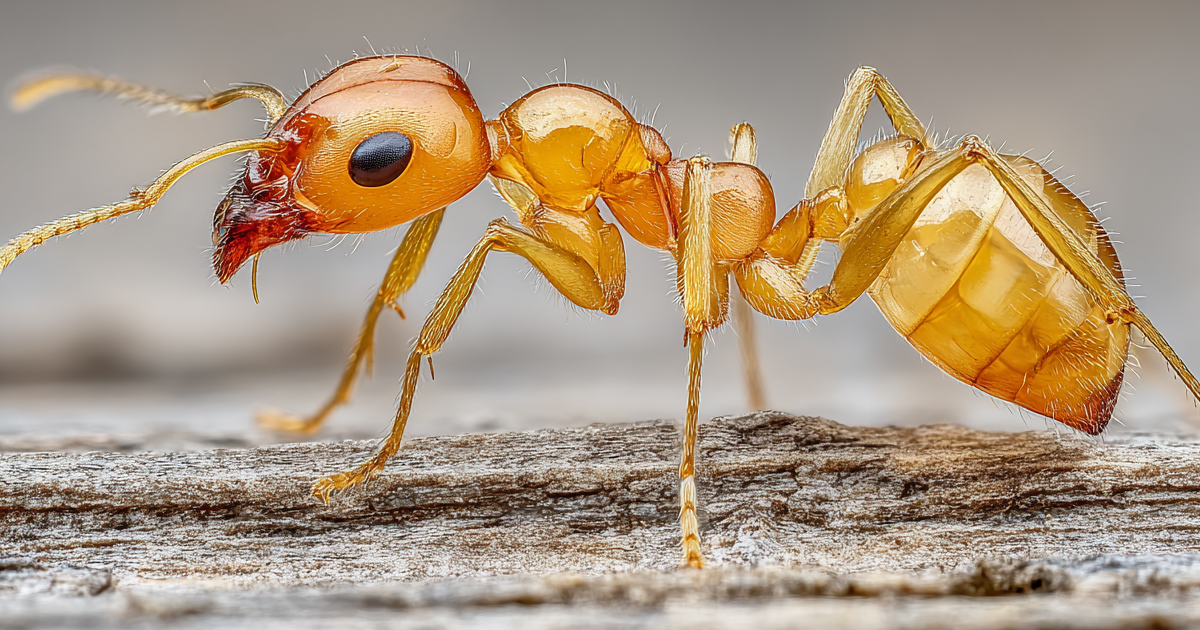
The Pharaoh Ant (Monomorium pharaonis)
Appearance:
• Size: Very small (1/16 inch)
• Color: Pale yellow to reddish with darker abdomen
Habits:
Pharaoh ants are one of the most difficult ants to control. They prefer warm, humid environments and are commonly found in hospitals, apartment buildings, and food-handling areas. They nest in hidden locations like wall voids and behind baseboards, often splitting into multiple colonies when threatened (a behavior called "budding").
________________________________________
The Thief Ant (Solenopsis molesta)
Appearance:
• Size: Tiny (1/32 to 1/16 inch)
• Color: Pale yellow to light brown
Habits:
Named for their habit of stealing food and brood from other ant colonies, thief ants are often confused with Pharaoh ants due to their small size. They prefer greasy and high-protein foods. Nests are found in wall crevices, under countertops, and behind baseboards.
________________________________________
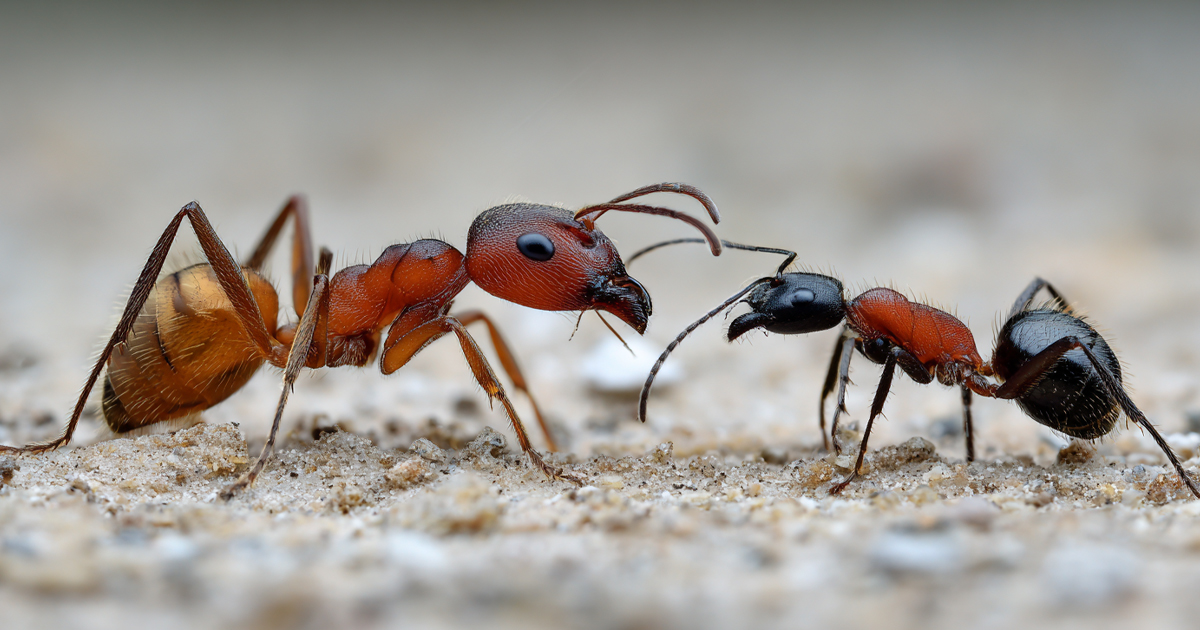
The Field Ant (Formica spp.)
Appearance:
• Size: Medium to large (¼ to ⅜ inch)
• Color: Black, red, or a combination of both
Habits:
Field ants build large mounds in open grassy areas, often in lawns or meadows. They don’t pose a structural threat like carpenter ants, but they may bite if disturbed. They're important predators of other insects and scavengers of dead matter.
________________________________________
Crazy Ants (Paratrechina longicornis)
Appearance:
• Size: Small (about ⅛ inch)
• Color: Dark brown to black with a slight bluish sheen
• Trait: Erratic, fast movements
Habits:
These ants earn their name from their seemingly chaotic movement patterns. Crazy ants prefer warm, moist environments and often nest in wall voids, under flooring, or outside under stones. They can invade homes in large numbers.
________________________________________
Citronella Ants (Lasius interjectus)
Appearance:
• Size: Medium (⅛ to 3/16 inch)
• Color: Yellow to golden-brown
• Trait: Emits a lemon or citronella-like odor when crushed
Habits:
Though not commonly seen indoors, citronella ants are sometimes mistaken for termites due to their winged swarmers. They feed primarily on honeydew from root-feeding insects and typically nest in soil or under logs and rocks.
________________________________________
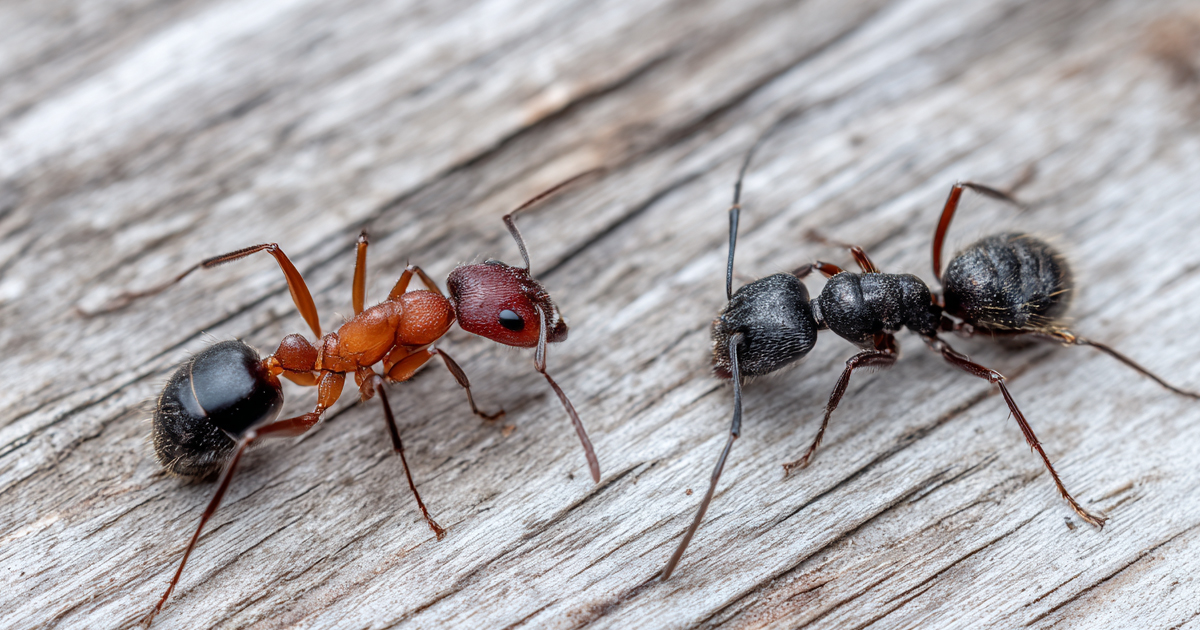
Allegheny Mound Ant (Formica exsectoides)
Appearance:
• Size: Medium (about ¼ inch)
• Color: Red head and thorax with a black abdomen
Habits:
Native to forested areas of the Northeast, these ants construct large, conspicuous mounds. They are aggressive defenders of their nests and will bite intruders. Their presence can alter local vegetation due to the formic acid they inject into plants.
________________________________________
Ants in the Northeastern U.S. are as diverse as they are fascinating. While some are nuisances that invade homes and structures, others play essential roles in ecosystems—cleaning up waste, aerating soil, and controlling pest populations. By understanding the different types of ants and their behaviors, you can better manage unwanted infestations or simply admire their place in the natural world.
If you're dealing with a persistent ant problem, proper identification is the first step toward effective control. When in doubt, consult a pest professional for safe and accurate removal strategies.
Article Gallery