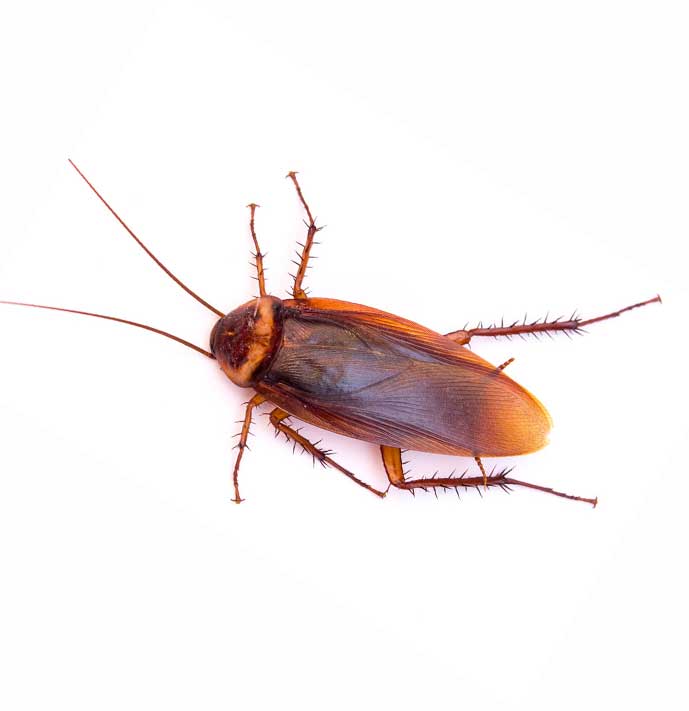
Live Cockroaches
Sightings at night are common, but daytime activity may occur when harborages are disturbed or populations are established.
Professional cockroach inspection, treatment, monitoring and prevention for homes, apartments, restaurants, healthcare environments and businesses throughout Philadelphia and the Delaware Valley.
Cockroaches hide in cracks, appliances, cabinets, drains, utility areas and other protected spaces. Evans Pest Control identifies the likely species, activity areas and conditions supporting the infestation before recommending treatment.
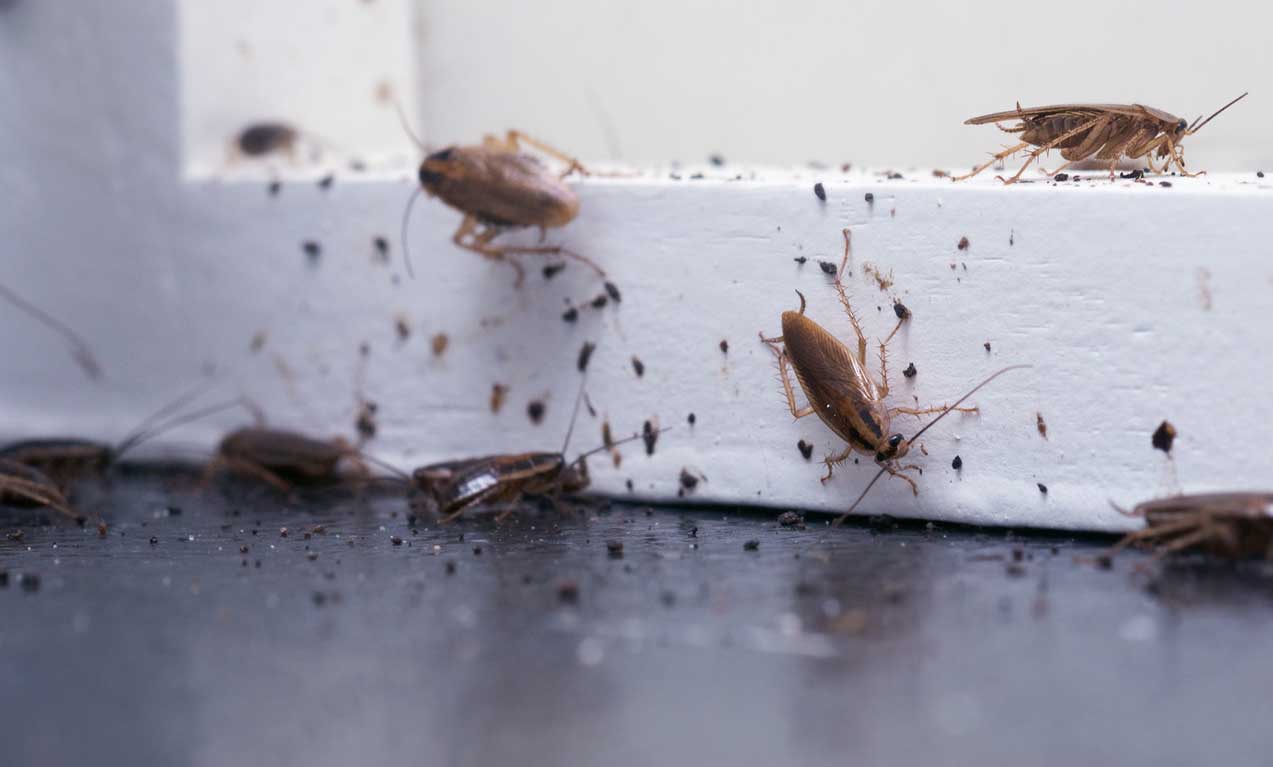
Cockroach sightings near kitchens, bathrooms, appliances, drains, basements or storage areas can point to different species and conditions. Tell us where activity is occurring and whether the insects are small, large, light brown or dark.
A member of the Evans team will follow up with you.
Cockroaches seek food, moisture, warmth and protected hiding places. Kitchens, bathrooms, boiler rooms, basements, utility penetrations, drains, food-storage areas and equipment voids can provide the conditions they need.
Many cockroaches spend most of their time concealed. The insects seen in the open may represent only a portion of the activity. Egg cases, young insects and adults can remain inside cracks, cabinets, appliances, walls and neighboring units.
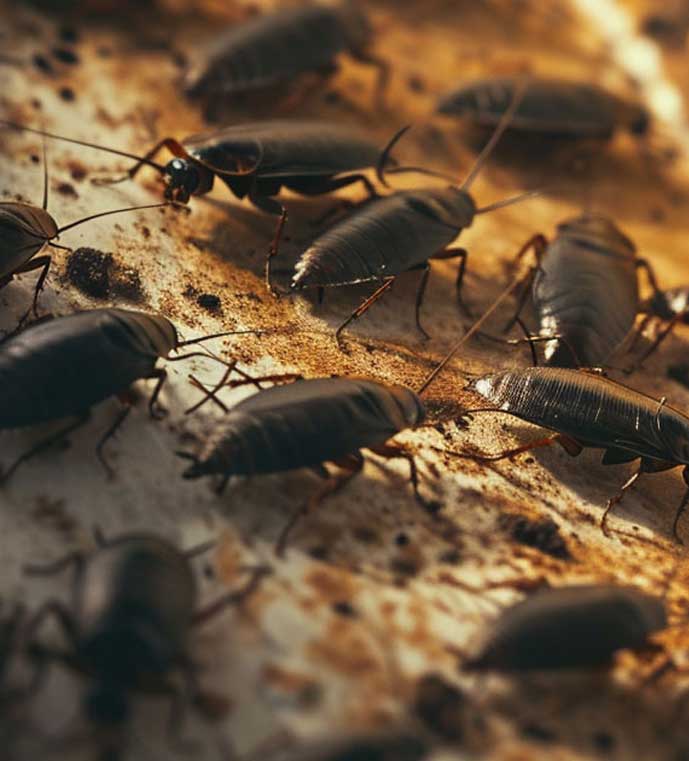
Cockroaches are often most active after dark. Finding insects of different sizes can indicate that reproduction is occurring nearby.
Sightings at night are common, but daytime activity may occur when harborages are disturbed or populations are established.
Small dark specks or larger cylindrical droppings may appear in cabinets, drawers, corners, appliance areas and along travel routes.
Cockroach egg cases vary by species and may be carried by the female or deposited in protected cracks and hidden areas.
Immature cockroaches shed their outer covering as they grow. Cast skins can collect near harborages.
Leaks, condensation, drains and damp areas can support cockroach activity, especially in kitchens, bathrooms and basements.
Larger infestations may produce a noticeable musty or oily odor in heavily affected areas.
Correct identification helps determine likely harborages, moisture needs, travel patterns and treatment priorities.
Small, light-brown cockroaches with two dark stripes behind the head. They commonly infest kitchens, apartments, restaurants and other warm areas with food and moisture.
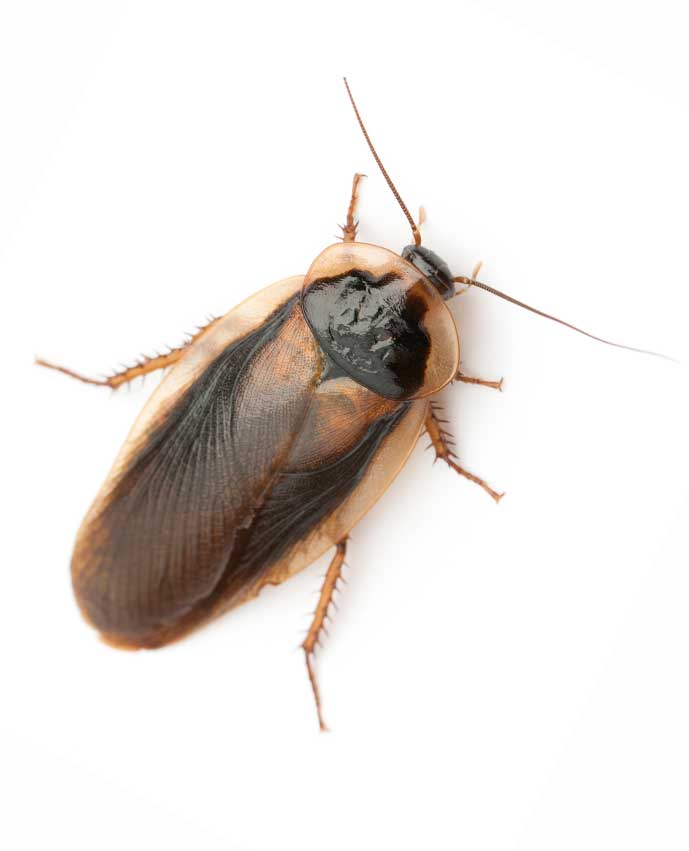
Large reddish-brown cockroaches often associated with basements, boiler rooms, drains, sewers and warm, moisture-prone commercial spaces.
Dark, shiny cockroaches that favor damp, cooler areas such as basements, utility spaces, drains and exterior ground-level environments.
Brown-banded cockroaches may use drier, elevated indoor areas. Wood cockroaches are usually associated with outdoor habitats and may enter buildings accidentally.
A strong cockroach program begins by locating harborages, food, moisture and the routes connecting affected areas.
We review where and when cockroaches were seen, the insect size, affected rooms and any prior treatment.
The technician evaluates accessible cracks, cabinets, appliances, plumbing areas, drains, storage and other likely activity zones.
Glue monitors and visual evidence may help identify species, travel routes and the areas requiring the most attention.
Treatment, preparation and follow-up are selected for the species, property and infestation conditions.
The program may combine several methods rather than relying on one product or one visit.
Gel baits or bait stations may be placed in protected locations according to species, activity and label directions.
Targeted applications may be made to harborages and travel areas where broad surface treatment would be unnecessary.
Follow-up helps evaluate declining activity, newly hatched insects and conditions that may continue to support the infestation.
Food, grease, trash, moisture, clutter and structural openings must be addressed to support lasting control.
Kitchens, restaurants, grocery environments and food-service facilities provide warmth, moisture, equipment voids and frequent deliveries. These conditions can allow cockroach activity to spread quickly if it is not identified early.
Evans Pest Control can help commercial clients develop a documented program that includes inspection, monitoring, targeted treatment, sanitation recommendations and follow-up service.
Inspection and treatment for kitchens, bathrooms, basements, appliances, cabinets and connected units.
Cockroach-management programs for restaurants, offices, healthcare settings, schools, retail and industrial facilities.
Support for managers handling tenant reports, adjacent-unit concerns and recurring activity in apartment communities and managed portfolios.
Preparation varies by property and treatment. Follow the instructions supplied by Evans Pest Control for your scheduled service.
Clean counters, floors, cabinets and appliance areas so cockroaches are less able to feed away from treatment placements.
Seal food, pet food and ingredients, remove open waste and keep trash and recycling containers clean.
Clear access beneath sinks, around plumbing, behind movable appliances and near areas where activity was observed.
Tell the Evans team about pets, fish tanks, respiratory concerns, pregnancy or other conditions before service.
Learn why German cockroaches reproduce quickly, hide in protected areas and can be one of the most challenging indoor cockroach species.
Read The Pest FileCompare German, American, Oriental, brown-banded and other cockroaches that may be encountered around Philadelphia properties.
Read The Identification GuideReview the food, moisture, shelter and structural conditions that can support cockroach activity.
Read The Prevention GuideSee the Evans preparation recommendations that help technicians reach activity areas and improve treatment conditions.
Read The Preparation GuideEvans Pest Control provides residential and commercial cockroach-control services throughout Philadelphia and surrounding communities. Availability may depend on location, property type and the requested service.
Professional control for Philadelphia homes, apartments, restaurants and businesses.
Call (267) 582-2687These answers provide general guidance. Inspection, preparation and treatment recommendations depend on the property and species.
Common signs include live cockroaches, droppings, egg cases, shed skins, an unusual odor and nighttime activity near kitchens, bathrooms, appliances, cabinets, basements, drains and storage areas.
Cockroaches seek food, water, warmth and shelter. Leaks, crumbs, grease, open food, trash, clutter, cardboard, drains and structural openings can support activity.
German, American, Oriental, brown-banded and wood cockroaches have different habits and preferred environments. Identification helps determine where to inspect, monitor and treat.
A professional program may include inspection, species identification, monitoring, baiting, targeted crack-and-crevice treatment, sanitation recommendations, moisture correction and follow-up service.
Yes. Cockroach activity can contaminate food-contact environments, affect inspections, damage customer confidence and create serious operational concerns for food-service properties.
Killing visible insects alone usually does not address hidden harborages, egg cases, food and moisture sources or insects in adjacent areas. Effective control typically requires a coordinated program.
Follow the preparation instructions provided by Evans Pest Control. Preparation may include cleaning food residue, storing food, removing trash, improving access beneath appliances and informing the technician about sensitive occupants or conditions.
Yes. Evans Pest Control provides cockroach inspection and treatment support for homes, apartments, restaurants, offices, healthcare environments, property-management portfolios and other commercial settings.
Early inspection can help identify the species, harborages and conditions before the infestation becomes more difficult to control.
Tell us where you are seeing activity and whether the property is residential, multi-unit or commercial. A member of the Evans team will contact you to discuss the next steps.
A member of our team will follow up with you.