Finding The Source
Identify the pest, nesting area, travel route and environmental conditions supporting the activity.
Expert pest control for Philadelphia homes, apartments and residential properties.
Evans Pest Control is a local, dependable pest control company providing residential pet control in Philadelphia, South Jersey, and the Delaware Valley.

Share with us what you are seeing, and Evans Pest Control will respond promptly to your inquiry.
A member of the Evans team will follow up with you.
Effective pest control practices involve the consideration of pest biology, entry points, food and water sources, moisture, structural conditions, seasonality and how your home is being used.
Identify the pest, nesting area, travel route and environmental conditions supporting the activity.
Address wood-destroying insects, gnawing, contamination and entry points that can affect the home.
Manage pests around food, sleeping areas, children, pets, storage and everyday living spaces.
Ants, mosquitoes, termites, stinging insects and rodents can change with weather and seasonal activity.
Each service page provides more information about warning signs, inspection, treatment and prevention.
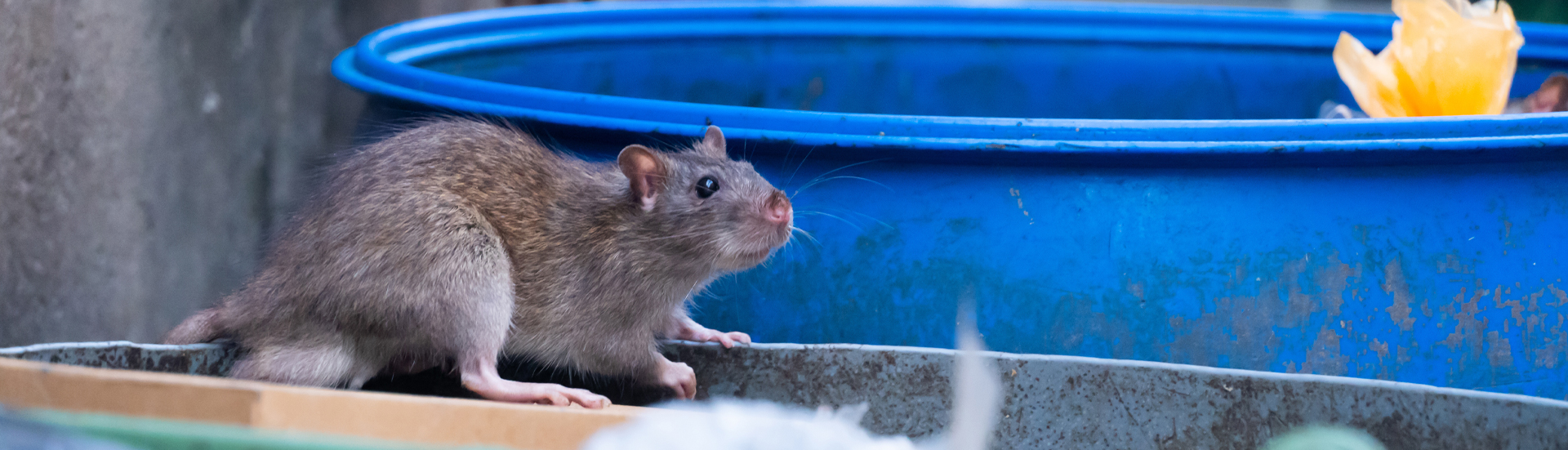
Inspection, trapping, monitoring, population reduction, sanitation guidance and exclusion recommendations for mice and rats.
Explore Rodent Control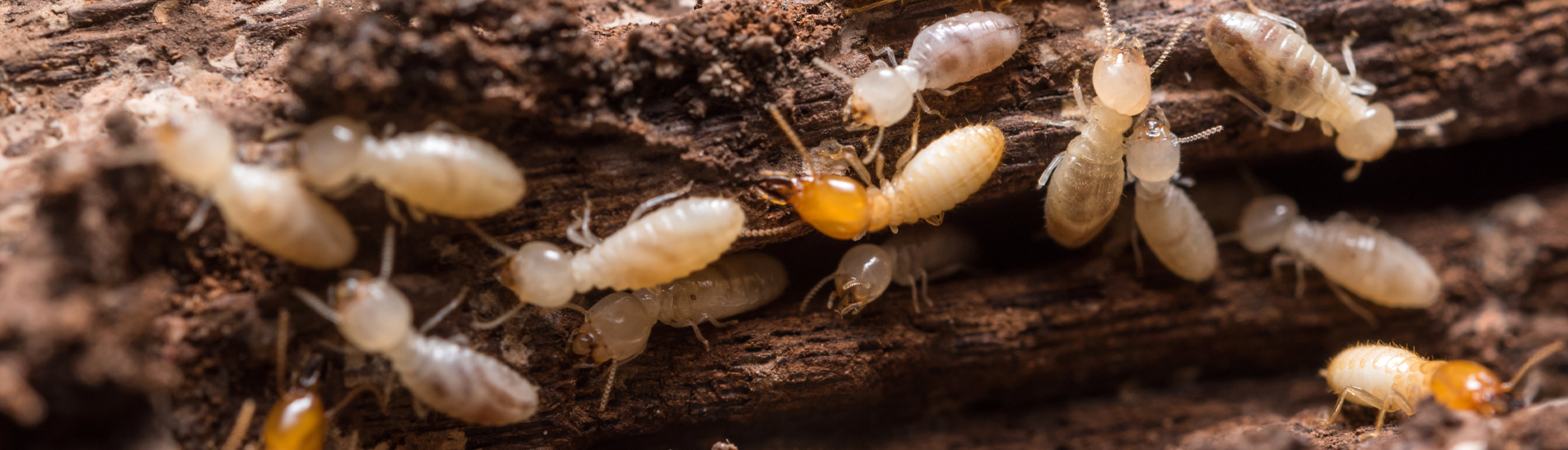
Look for hidden activity, moisture concerns, structural vulnerabilities, mud tubes, wings and wood damage before the problem becomes larger.
Explore Termite Control
Detailed inspection and property-specific treatment for resilient pests that hide in small spaces near sleeping and resting areas.
Explore Bed Bug Control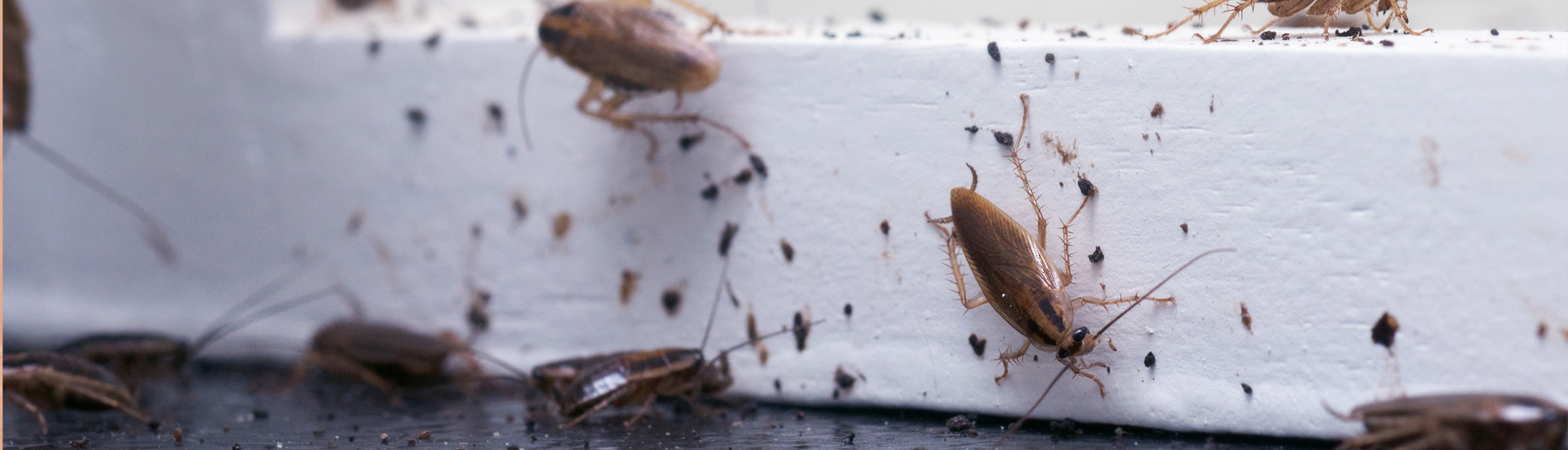
Identify food, water, hiding places and activity zones while treating the infestation through targeted professional methods.
Explore Cockroach Control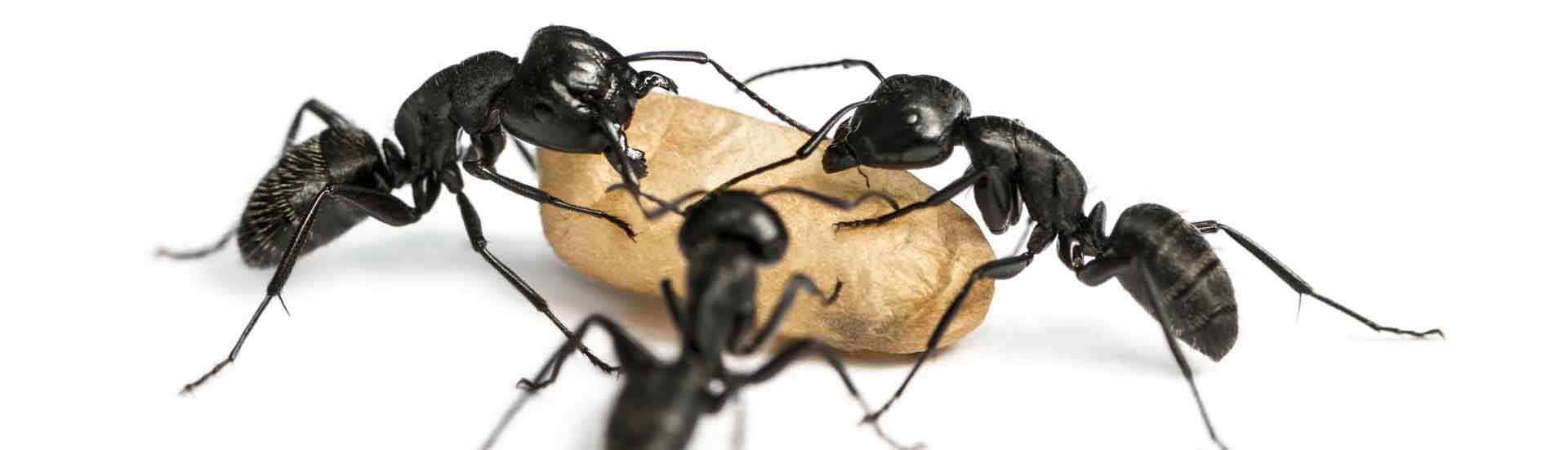
Species identification matters because carpenter, pavement, odorous house and other ants can require different colony-control strategies.
Explore Ant Control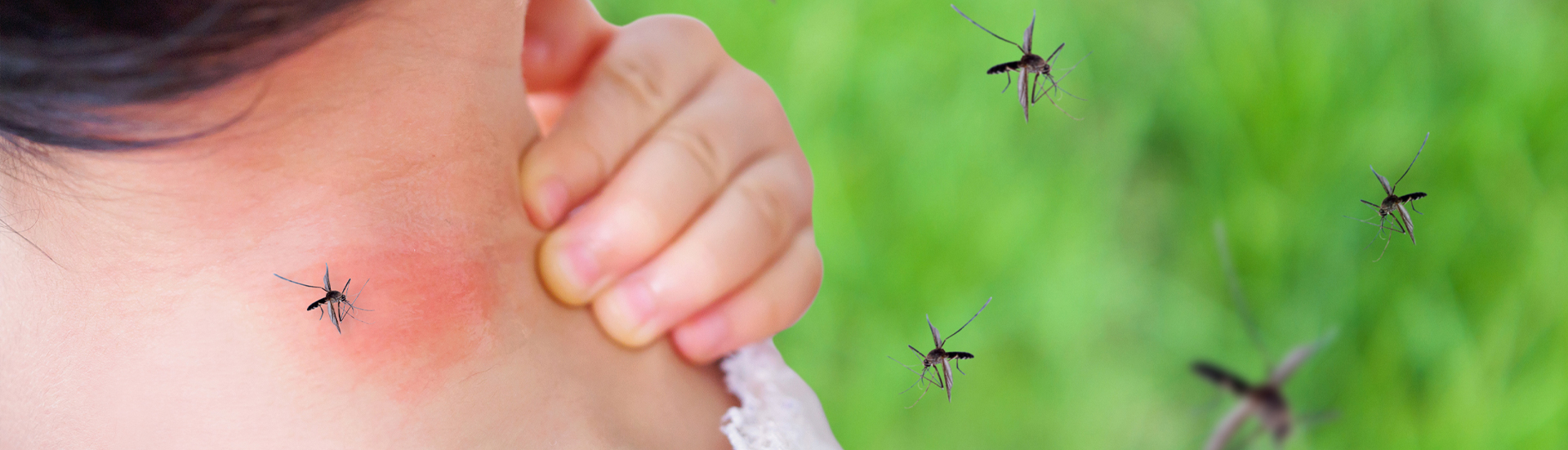
Property inspection, source reduction, larval control and targeted treatment around shaded resting areas and outdoor living spaces.
Explore Mosquito Control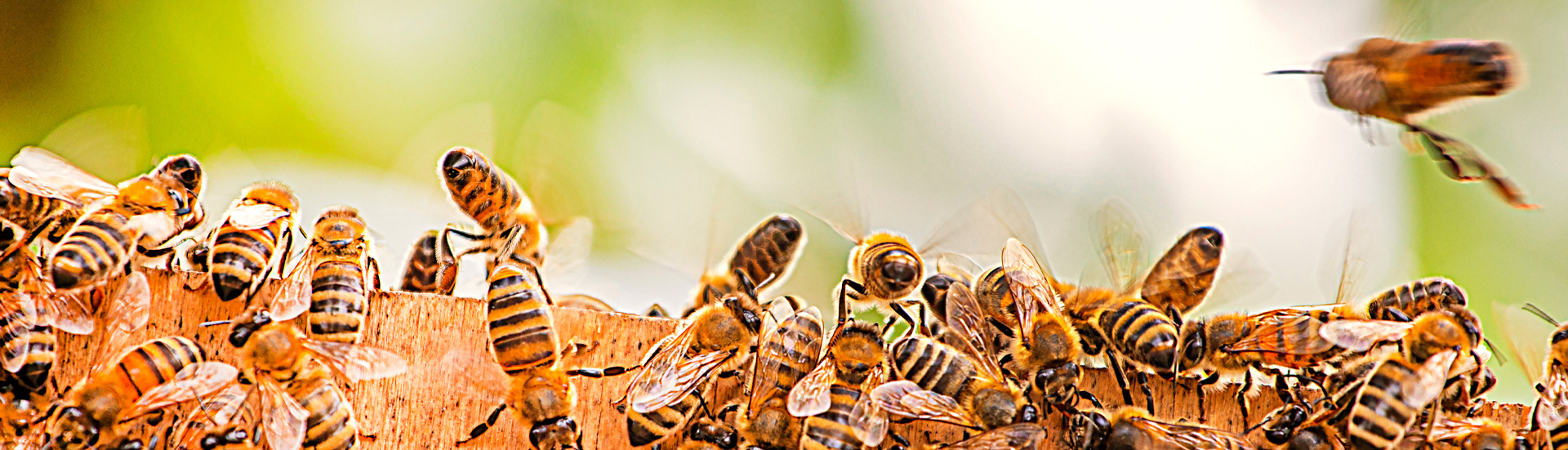
Identify stinging insects and nesting sites while addressing carpenter-bee tunneling in decks, porches, siding and trim.
Explore Bee And Wasp Control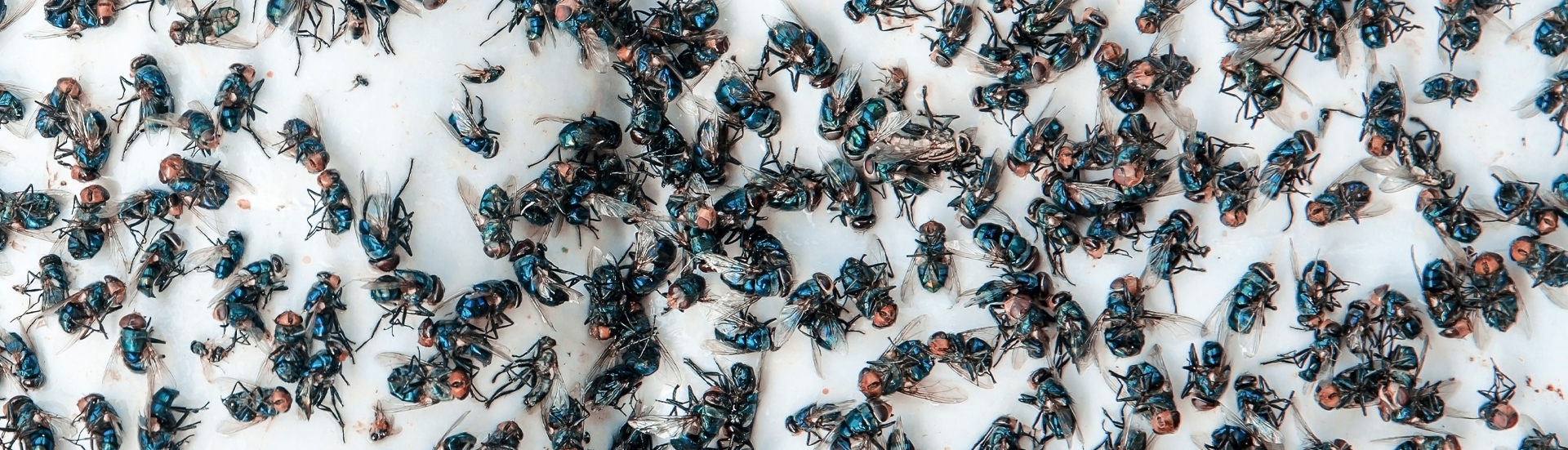
Investigate drains, moisture, organic material, waste, entry points and other sources supporting recurring indoor fly activity.
Explore Flying Pest Control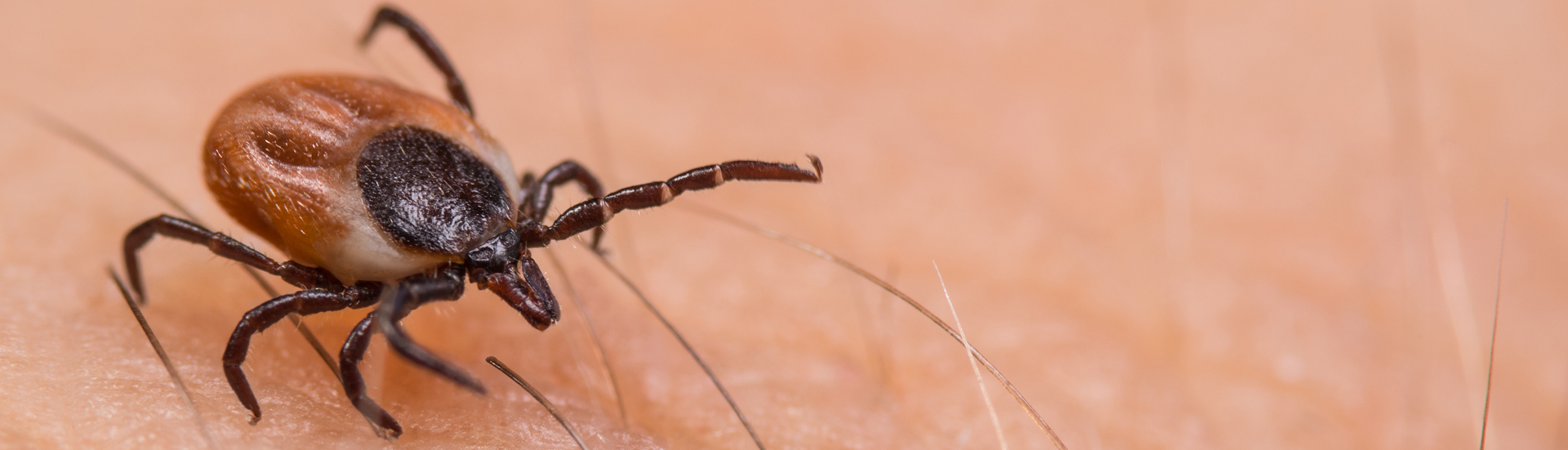
Evaluate pets, wildlife pressure, lawns, shaded areas, resting sites and indoor conditions that can support tick or flea activity.
Explore Tick And Flea ControlResidential perimeter maintenance focuses on exterior conditions where insects and other pests approach, rest, breed or enter the structure.
The exact program can include inspection of foundations, landscaping, doors, windows, utility penetrations, decks, shaded areas, standing water and other property-specific risk zones.
Review what the homeowner is seeing, where it occurs, when it began and any previous treatment.
Check activity zones, entry points, harborage, food, water, moisture and structural conditions.
Confirm the pest whenever possible because species and behavior affect the correct treatment.
Apply targeted methods suited to the pest, infestation, property and occupied environment.
Recommend follow-up, exclusion, sanitation, drainage or maintenance steps that support lasting control.
Final scope and frequency are based on inspection, pest pressure, property conditions and homeowner priorities.
Appropriate for a defined pest concern requiring inspection, treatment and planned follow-up.
Request Targeted ServiceScheduled exterior and interior attention for seasonal insects, crawling pests and recurring household concerns.
Discuss A Maintenance PlanCombine pest coverage, inspection, exterior service, monitoring or special-property requirements.
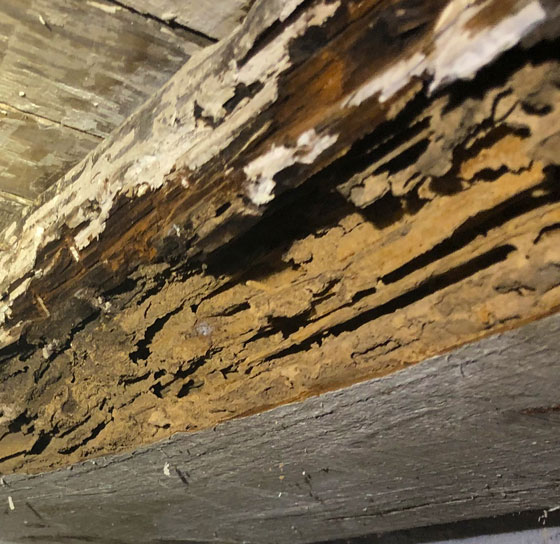
Build A Custom PlanTermites can feed inside structural wood and other concealed areas. Homeowners may notice swarmers, discarded wings, mud tubes, hollowed wood or moisture conditions before the full extent of activity is known.
Professional inspection can identify active infestations, conditions conducive to termites, moisture problems and structural vulnerabilities around foundations, basements and crawlspaces.
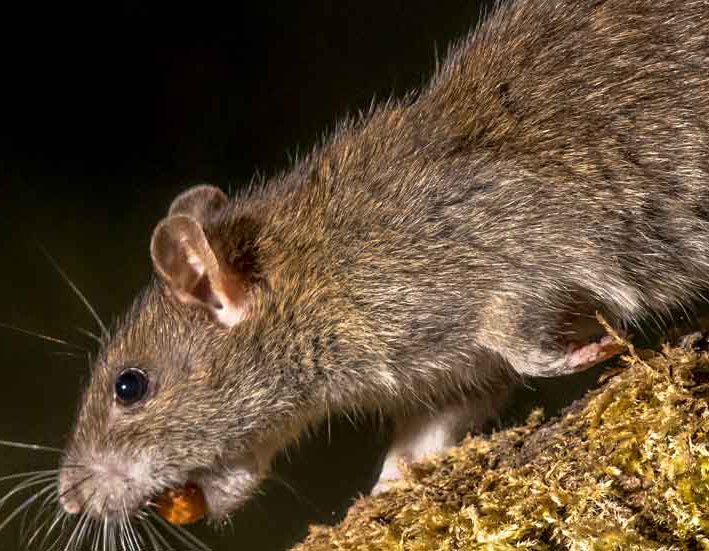
Rodents can contaminate food, storage and surfaces through droppings, urine, hair, nesting material and direct contact. Gnawing can also damage packaging, insulation, stored items and wiring.
Old droppings and nesting material should not be swept or vacuumed while dry. When contamination is extensive or located in enclosed areas, follow current public-health cleanup guidance and consider professional help.
Explore Residential Rodent Control
Evans Pest Control received a Philadelphia Inquirer Philly Favorites GOLD Award. The company credited the recognition to its team, customers and continuing commitment to professional pest-control service.
Learn why hidden termite activity, moisture and delayed inspection can lead to costly structural damage.
Read The Termite ArticleExplore the specialized anatomy and survival traits that make bed bugs persistent household pests.
Read The Bed Bug ArticleReview inspection, larval control, perimeter treatment and early-season mosquito prevention.
Read The Mosquito ArticleLearn how rodents can contaminate food and surfaces and why cleanup must be handled carefully.
Read The Rodent Health GuideUnderstand why correct identification supports better control of ants, cockroaches, spiders and other pests.
Read The Crawling Pest GuideLook for smooth holes, sawdust and repeated bee activity around wood siding, decks, porches and trim.
Read The Carpenter Bee GuideReview how food, moisture and hiding places support cockroach infestations and why complete control matters.
Read The Roach GuideLearn what an inspection evaluates and why early detection can help protect the property.
Read The Inspection ArticleRead about the local recognition received by the Evans Pest Control team.
Read The Award StoryEvans Pest Control serves Philadelphia and qualifying communities inside its surrounding Delaware Valley service corridor. Availability varies by address, service, pest and route schedule.
Call with the address and pest concern. The Evans team will confirm availability and the appropriate service.
Call (267) 582-2687Evans provides residential services for rodents, termites, bed bugs, cockroaches, ants, mosquitoes, stinging insects, flies, ticks, fleas and other qualifying pest concerns.
The appropriate service begins with understanding the pest, activity areas, entry points, environmental conditions and property-specific risks.
A perimeter treatment focuses on exterior pest pressure around foundations, landscaping, entry points and other property zones. The exact program depends on the pest, season and property.
Yes. Evans can recommend seasonal or recurring maintenance based on pest pressure, property conditions and homeowner priorities.
Termites may damage wood from concealed areas. Professional inspections can identify active infestations, moisture concerns, structural vulnerabilities and conditions conducive to termite activity.
Bed bugs are highly specialized, resilient pests that hide in small spaces and can be difficult to find and eliminate without a thorough treatment plan.
Helpful steps include sealing gaps, correcting moisture, keeping food stored, reducing clutter, maintaining drainage, trimming vegetation away from the home and scheduling inspections when activity is suspected.
Call Evans Pest Control at (267) 582-2687 or submit the residential service form with the property location and pest concern.
Request a professional residential evaluation from Evans Pest Control.
Share the property location, pest concern and warning signs. A member of the Evans team will contact you about the appropriate next step.
A member of our team will follow up with you.