Dependable Pest Control
Trusted. Affordable. Delivering Results.
Protecting what matters most. Evans Pest Control provides professional pest management services for homes and businesses throughout Philadelphia, nearby Pennsylvania communities and South Jersey.
Get Pest Help Fast
Tell us what you are seeing, and where the pest activity is happening. Evans Pest Control will follow up quickly.
- Residential and commercial pest control
- Rodents, termites, bed bugs, ants, cockroaches and more
- Philadelphia, nearby Pennsylvania and South Jersey service area
Request Service
A member of our team will follow up with you.
Charles Evans
Charles Evans built this company on integrity, hard work, and a genuine commitment to our customers and community. His legacy of trust, reliability, and exceptional service continues to guide everything we do.
We honor his memory by continuing the values he established and the relationships he cherished.

Pest Control Tips & Interesting Articles
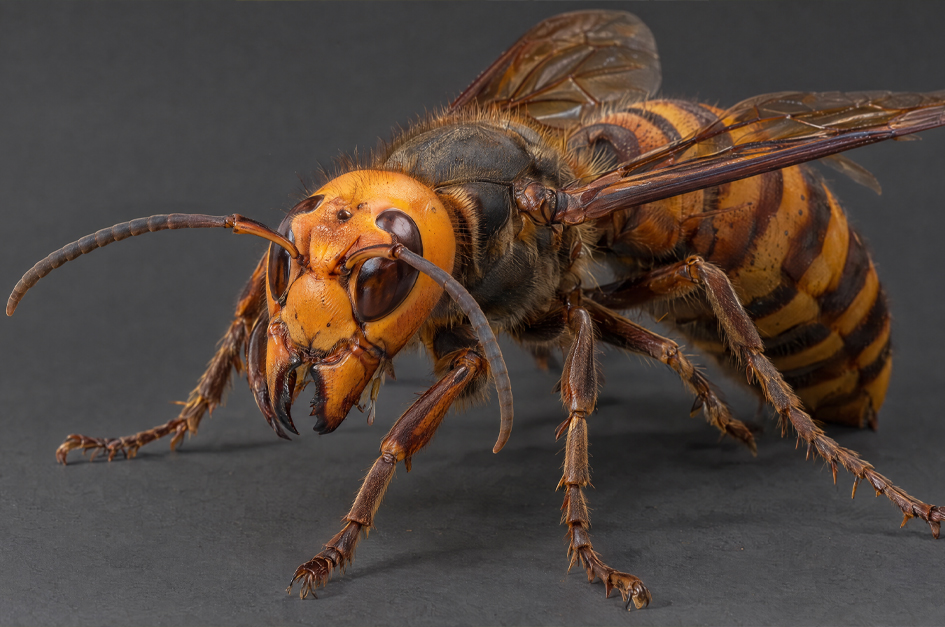
Six Real-Life Creepy Creatures That Make Halloween Monsters Look Harmless
Some monsters aren't imaginary. Some have enormous jaws, impossibly long legs, or a life cycle that seems pulled from a horror movie. Halloween brings stor...
Rats! What's the BUZZ Halloween Special
Evans Pest Control presents | Halloween Special Rats! What's the BUZZ Halloween Special Bobby BEE ventures into the shadows for the Halloween episode of Wh...
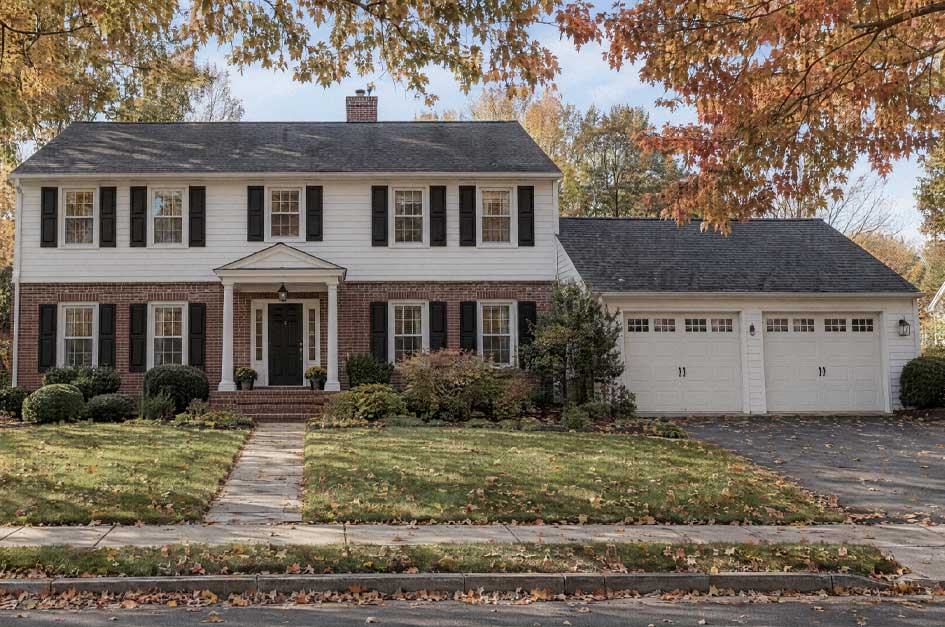
What Makes October Different? Why Fall Pests Are on the Move in Philadelphia and the Delaware Valley
As the weather cools, pests change their behavior. Here's what they're looking for, where they're hiding, and how to keep them out of your home or business...
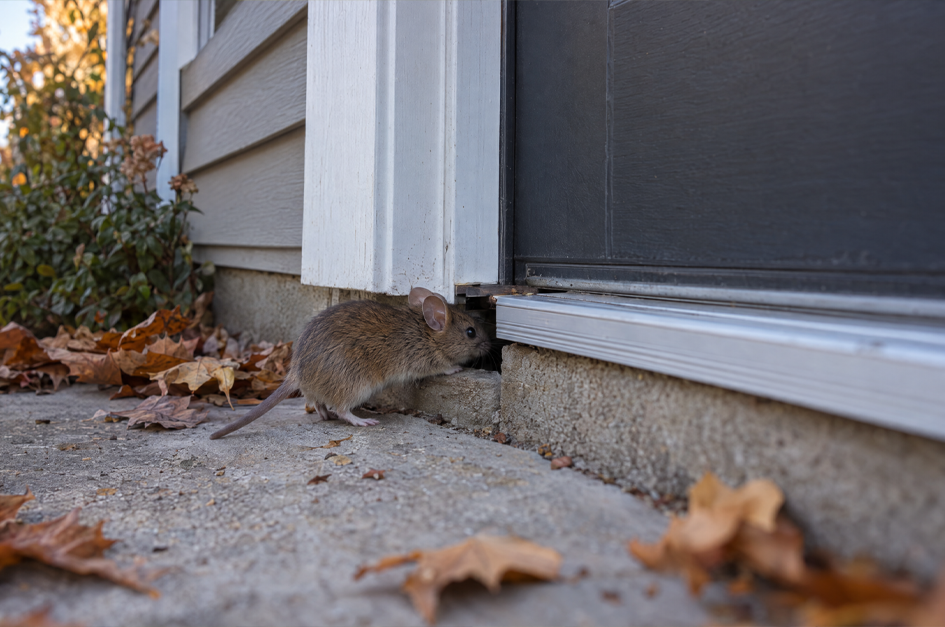
When Pests Start Changing Their Behavior
Preparing Your Home or Business for Fall Fall in Philadelphia and throughout the Northeast brings cooler temperatures, shorter days and changing leaves. Bu...
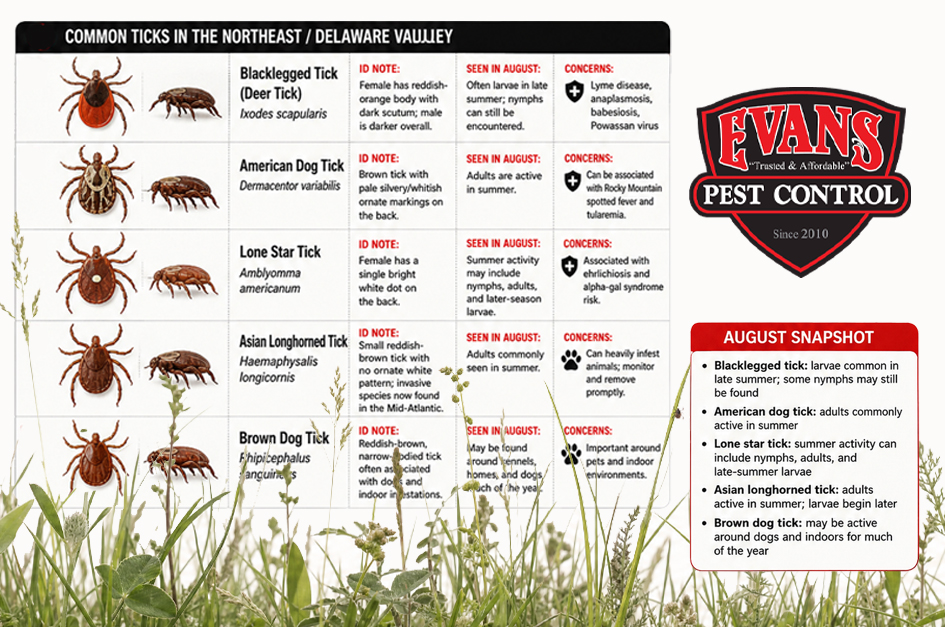
First Confirmed Bourbon Virus Case in New York: What Delaware Valley Residents Should Know About This Rare Tick-Borne Illness
What Is Bourbon Virus? Bourbon virus is a rare virus believed to spread through the bite of an infected tick. It was first identified in 2014 in Bourbon Co...
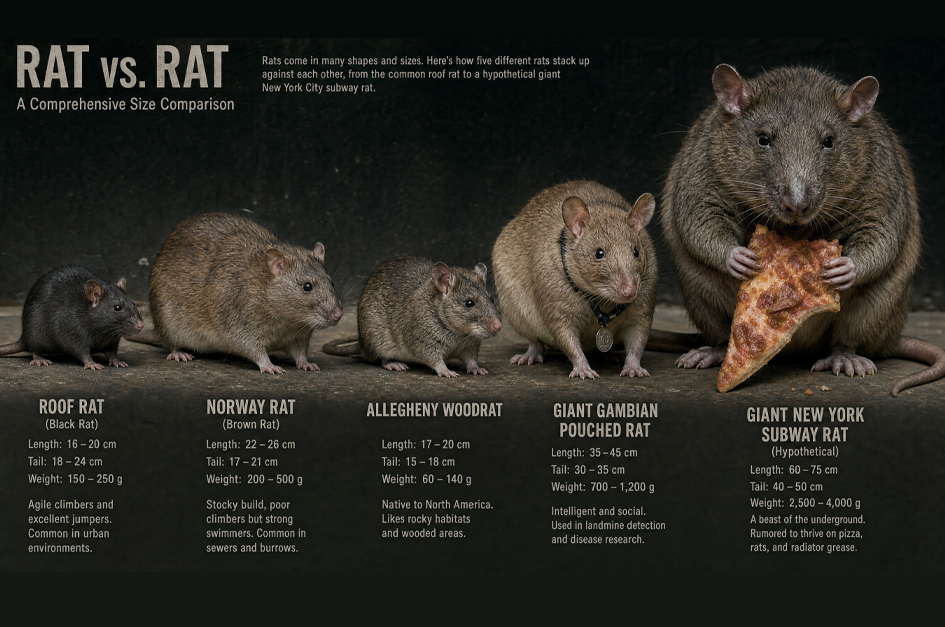
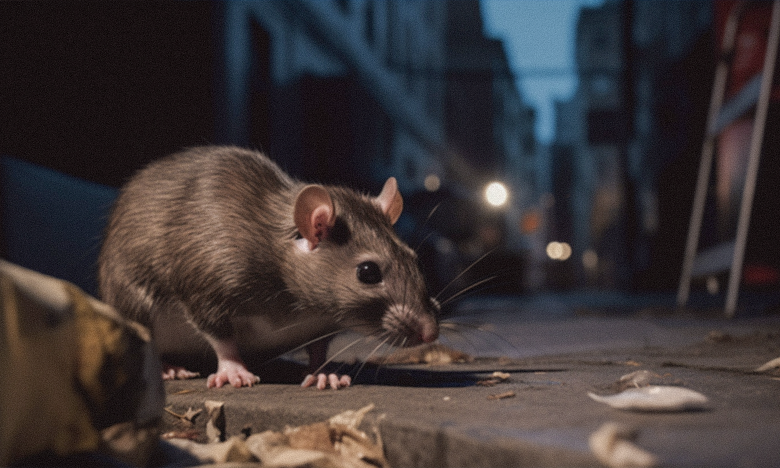
Are Giant Rats Real? How Big Can City Rats Actually Get?
Are giant rats real? Learn how large city rats can become, why some rats appear enormous, and how Evans Pest Control uses IPM to protect businesses.Anyone ...
Why Do Paper Wasps Build Their Nests Under Roof Overhangs?
If you've ever looked up while walking onto your porch and noticed a gray, papery nest hanging beneath the roof, you've probably discovered the work of a p...
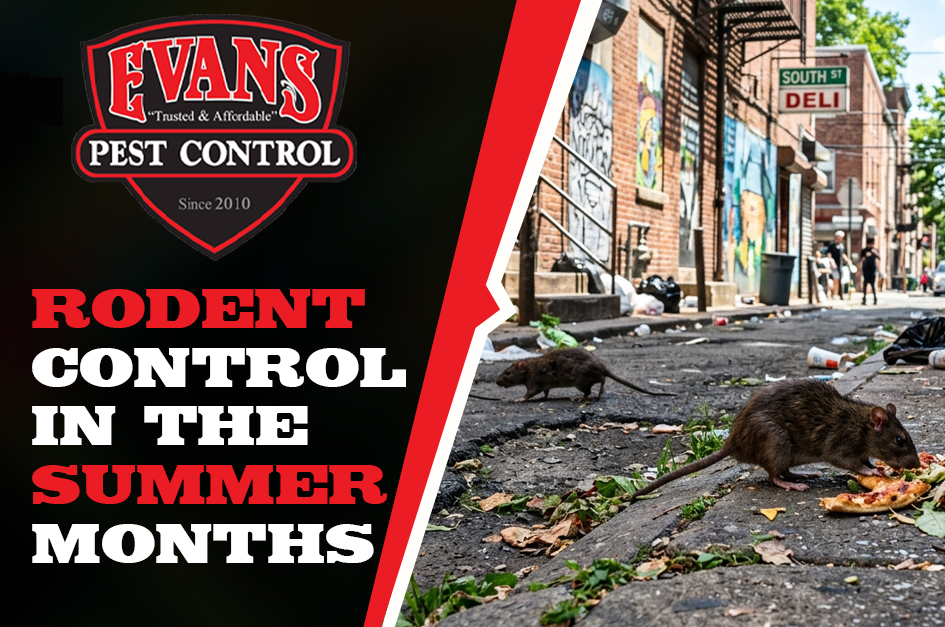
Rodent Control In The Summer Months And Why Experience Matters
Summer Isn't Just Insect Season — Rodents Remain Active TooWhen most homeowners think about summer pest problems, they picture mosquitoes, ants, or wasps. ...
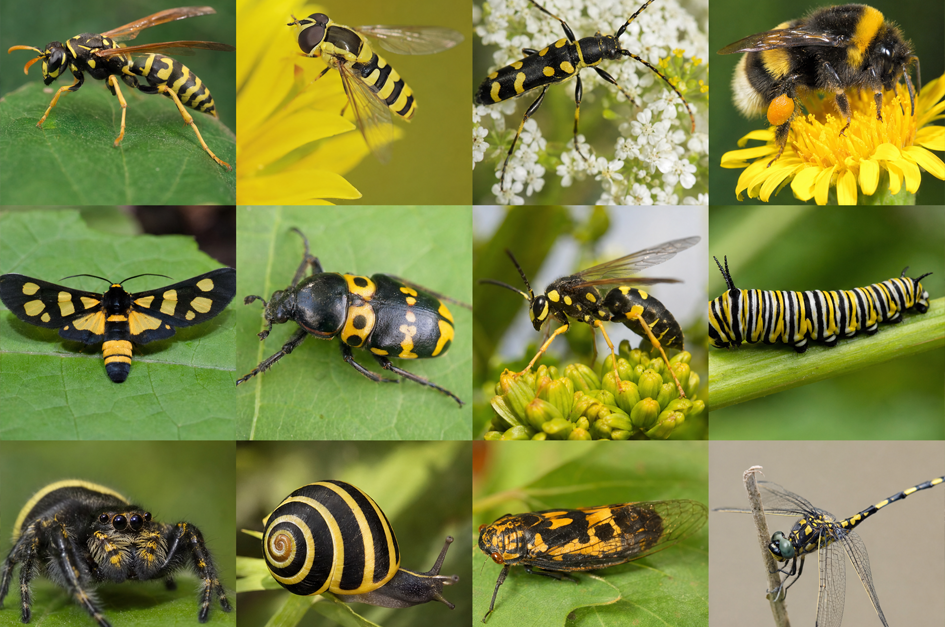
Why Are So Many Insects Yellow and Black?
When you think of insects with bold yellow and black coloring, bees, wasps, and hornets probably come to mind immediately. But have you ever wondered why s...
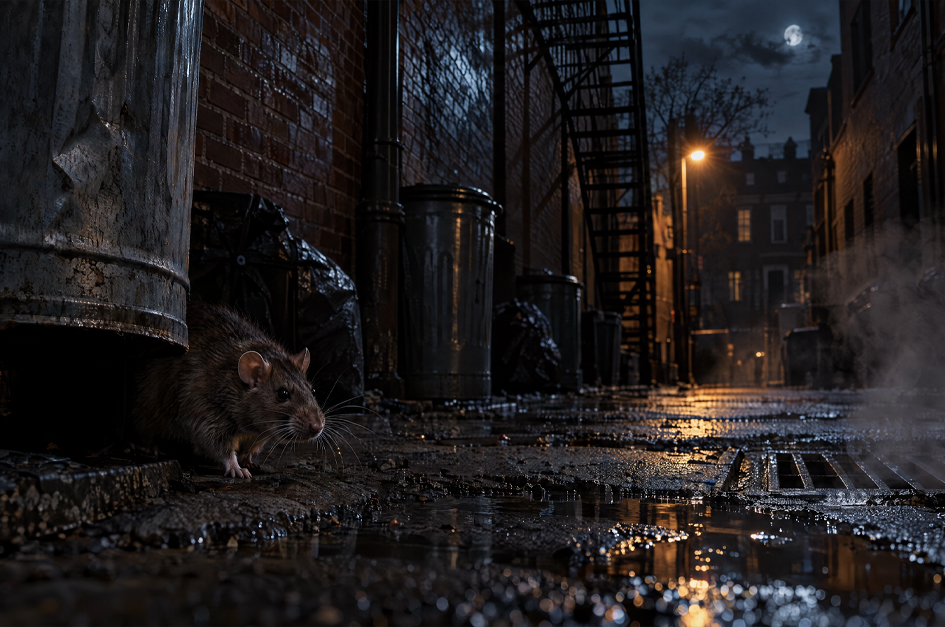
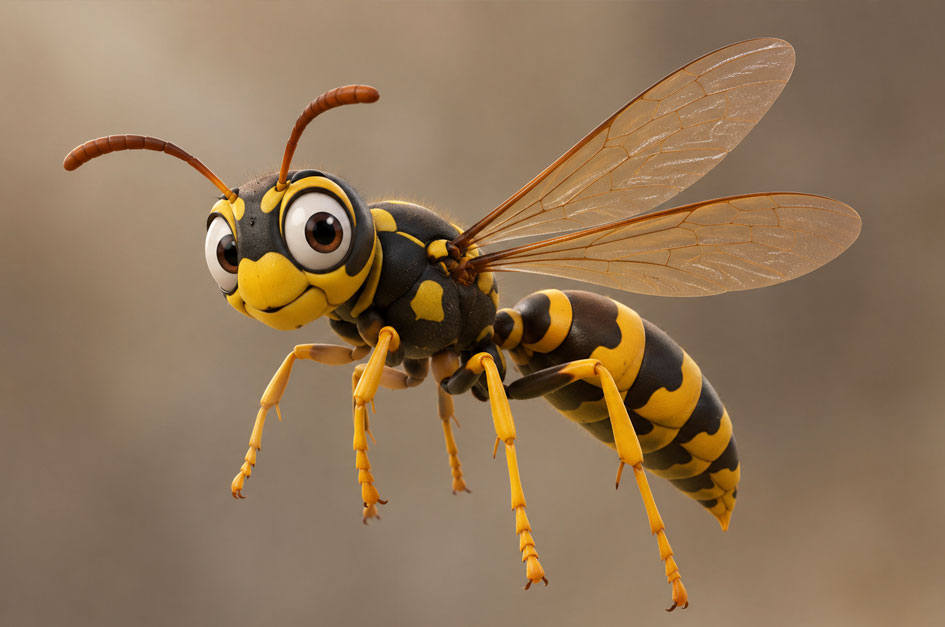
Preparing Your Home or Business for Fall
Fall in Philadelphia and throughout the Northeast brings cooler temperatures, shorter days and changing leaves. But while we notice the change in seasons, so do the pests living around our homes and businesses.
For many pests, fall is a transition period. Food sources change. Temperatures begin dropping. Outdoor shelter becomes less reliable. And buildings that may have been largely ignored during the warmer months suddenly offer exactly what pests are looking for: food, water, warmth and protection.
Read More: When Pests Start Changing Their Behavior »
 Mosquito
Image
 Ant
AntImage
 Wasp
WaspImage
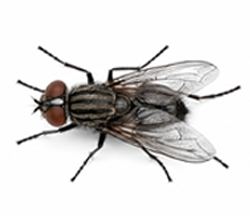 Fly
FlyImage
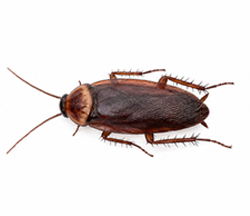 Cockroach
Image
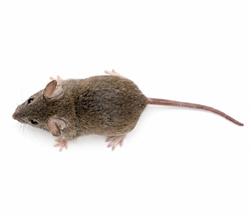 Rodent
Image
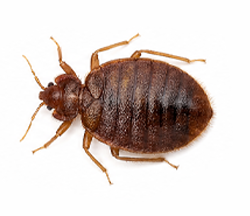 Bed Bug
Image
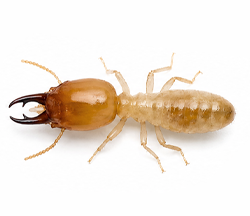 Termite
Image
Maintenance Plans
Residential and commercial maintenance programs designed to help prevent recurring pest problems.
Explore Plans »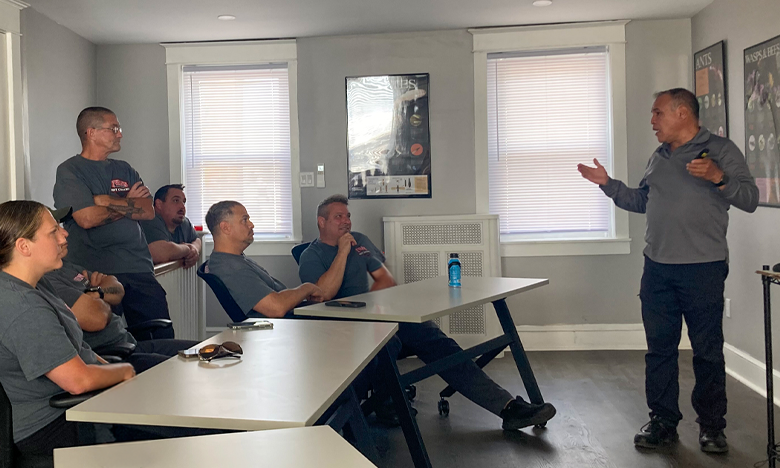
Trained Experts
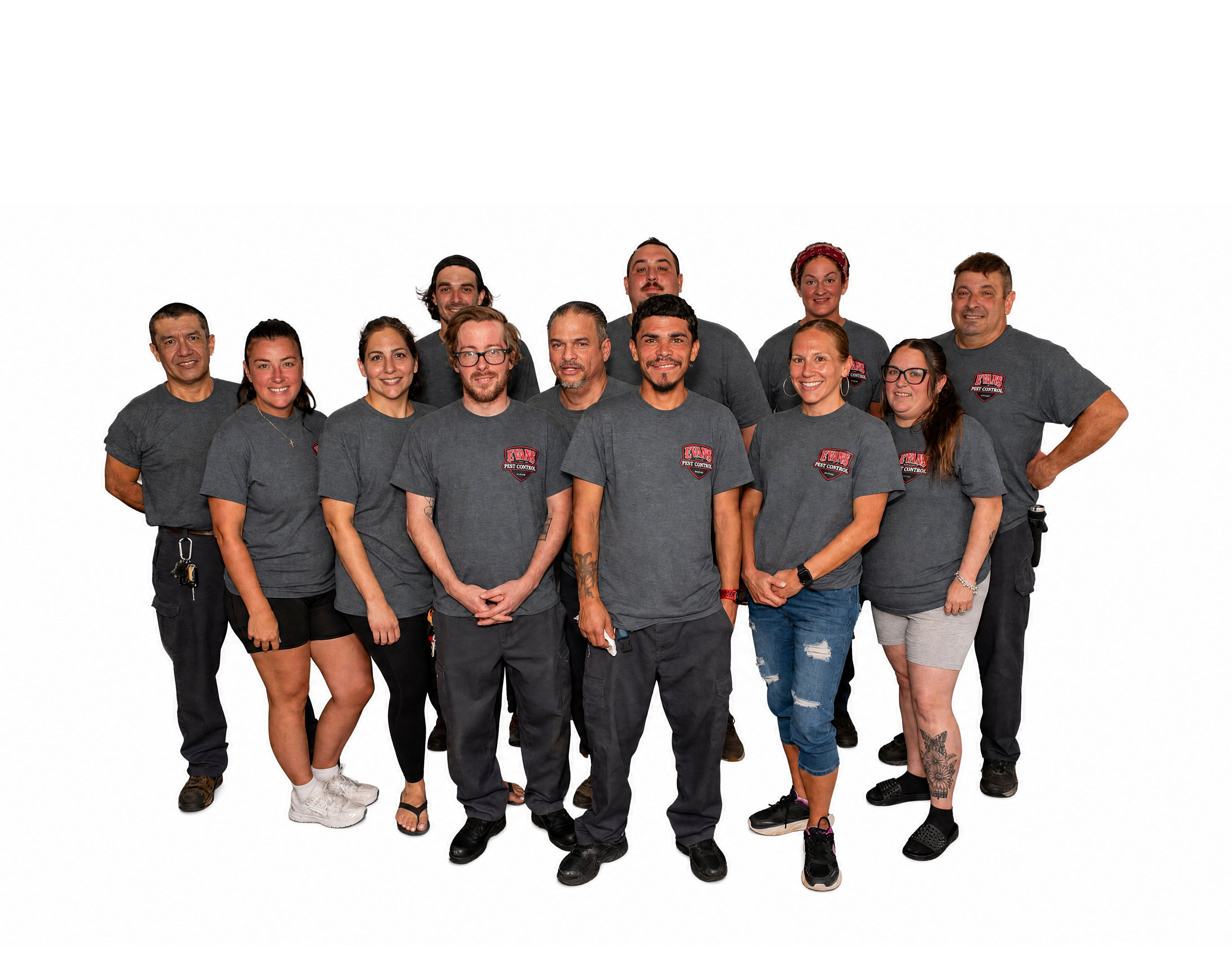
Experienced technicians who understand pest control and servicing Philadelphia, nearby Pennsylvania counties and South Jersey.
Meet Evans »
Great Customer Service
A friendly, family-run pest control company focused on dependable service, professionalism and results.
Read Reviews »Five-Star Service From A Local Team
Evans Pest Control is proud of the feedback shared by customers throughout Philadelphia and the Delaware Valley.
Proudly Serving Philadelphia
And The Greater Philadelphia Region
Evans Pest Control provides professional residential and commercial pest control throughout Philadelphia, nearby Pennsylvania communities and qualifying South Jersey areas. Availability can vary by pest, property type, route and travel distance.
- Philadelphia, PA
- Central & Lower Bucks County, PA
- Collegeville & Central Montgomery County, PA
- Swarthmore & Delaware County, PA
- Malvern & Eastern Chester County, PA
- Camden, Burlington & Gloucester County Areas, NJ
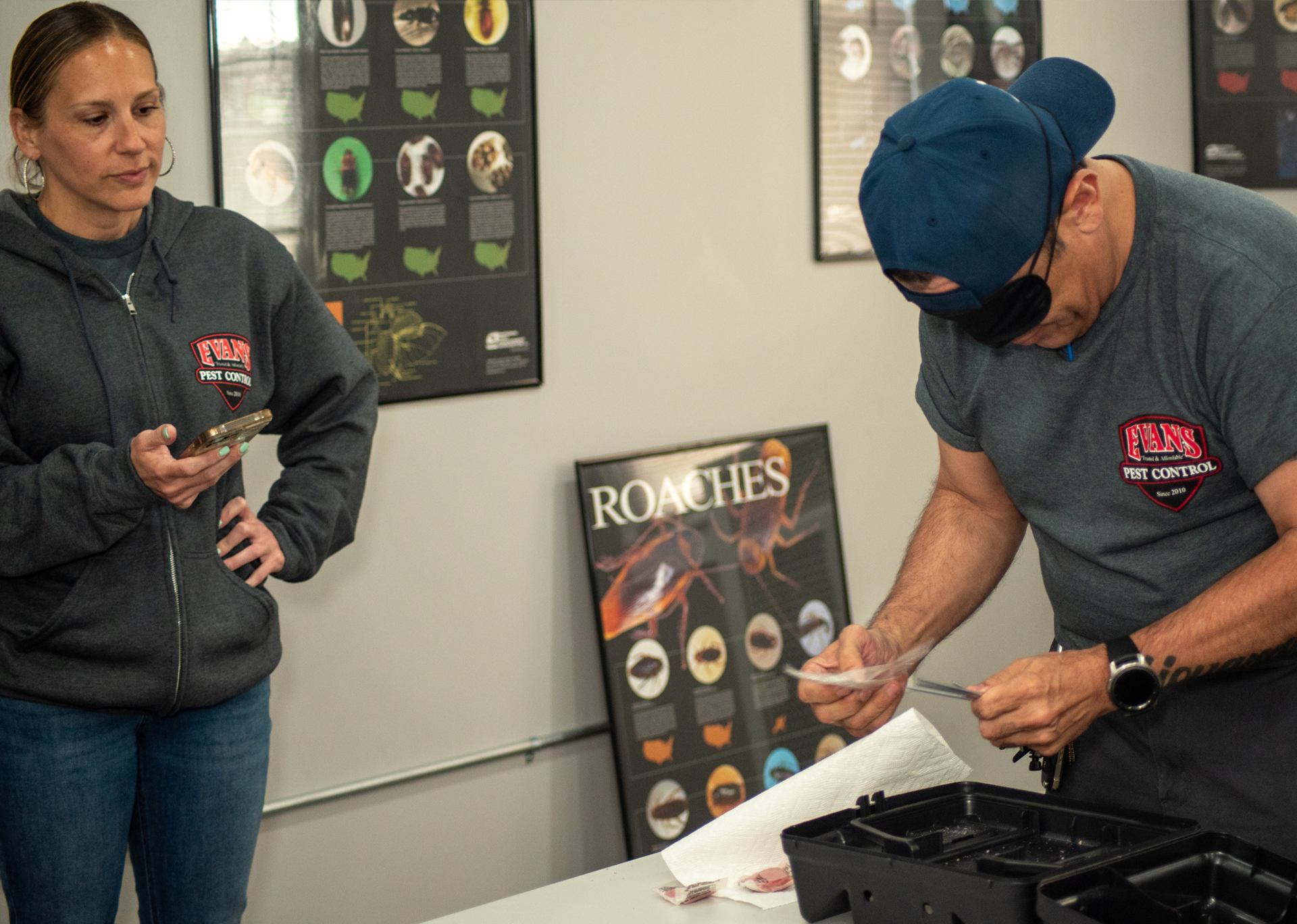
Why Choose Evans Pest Control?
- Family-owned and operated
- Licensed and insured pest professionals
- Safe, effective and thoughtful treatments
- Residential and commercial pest control
- Local experts serving Philadelphia, nearby Pennsylvania and South Jersey
- Preventative maintenance and targeted pest solutions
Professional Pest Control
You Can Count On
- Fully licensed and insured pest professionals
- Prompt, reliable and knowledgeable experts
- Advanced pest-control treatments and technology
- Residential and commercial pest solutions
- Local professionals serving Philadelphia, and the Delaware Valley
See Professional Pest Maintenance In Action
Ride along with Pedro from Evans Pest Control as he performs a scheduled pest-maintenance service in Center City Philadelphia. This behind-the-scenes look shows the care, attention, and professional process that go into protecting a property from rodent, and pest activity.
- Thorough inspection of key pest-entry and activity areas
- Targeted treatment based on current conditions
- Preventative maintenance designed for lasting protection
- Professional service from a local Evans technician
Get Relief From Pests Today
Fill out the form and a member of our team will contact you promptly to schedule service or provide a quote.