
As the weather cools, pests change their behavior. Here's what they're looking for, where they're hiding, and how to keep them out of your home or business this fall.
October brings some of the most beautiful weather to the Philadelphia region. The leaves are changing, temperatures are cooling, and homeowners are preparing for the colder months ahead.
But we're not the only ones getting ready for winter.
Throughout Philadelphia, Bucks, Montgomery, Delaware, and Chester Counties, as well as nearby South Jersey, October marks an important turning point in pest activity.
As the seasons change, insects, rodents, and other pests respond to environmental signals that influence where they feed, shelter, and survive.
Understanding what motivates pests during October can help you prevent unwanted visitors before they become a bigger problem.
Why Does Pest Activity Change in October?
The transition from summer to autumn brings several environmental changes that influence pest behavior.
1. Falling Temperatures
As outdoor temperatures decline, mice and rats may increasingly seek the protection of buildings. Certain insects also begin searching for sheltered locations where they can survive the winter.
2. Shorter Days
Changes in daylight are an important seasonal signal for many insects. Some species begin preparing to overwinter as the days grow shorter, even before freezing temperatures arrive.
3. Changing Food Sources
As vegetation dies back and outdoor food sources change, rodents and other pests may explore new areas for food and water. Unsecured trash, pet food, birdseed, and stored pantry goods can become attractive resources.
4. The Search for Winter Shelter
For many common fall pests, October is about finding a safe place to spend the colder months. Unfortunately, homes, garages, attics, basements, and commercial buildings can provide exactly what they're looking for.
Not every pest behaves the same way, however. Some seek indoor shelter, others remain active outdoors, and some continue reproducing inside heated buildings throughout the year.
Which Pests Should You Watch for This October?
Mice and Rats: Looking for Food, Warmth, and Protection
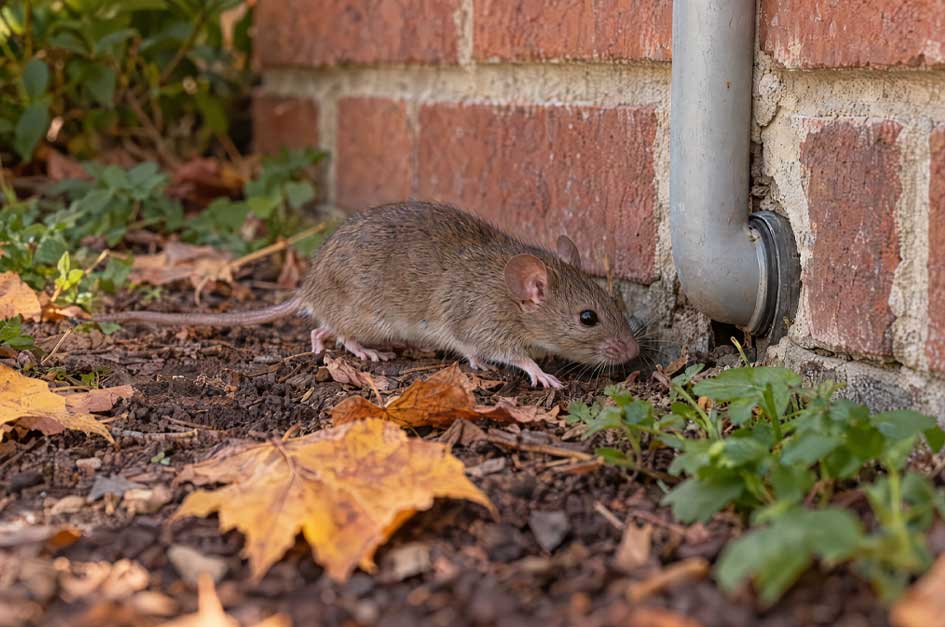
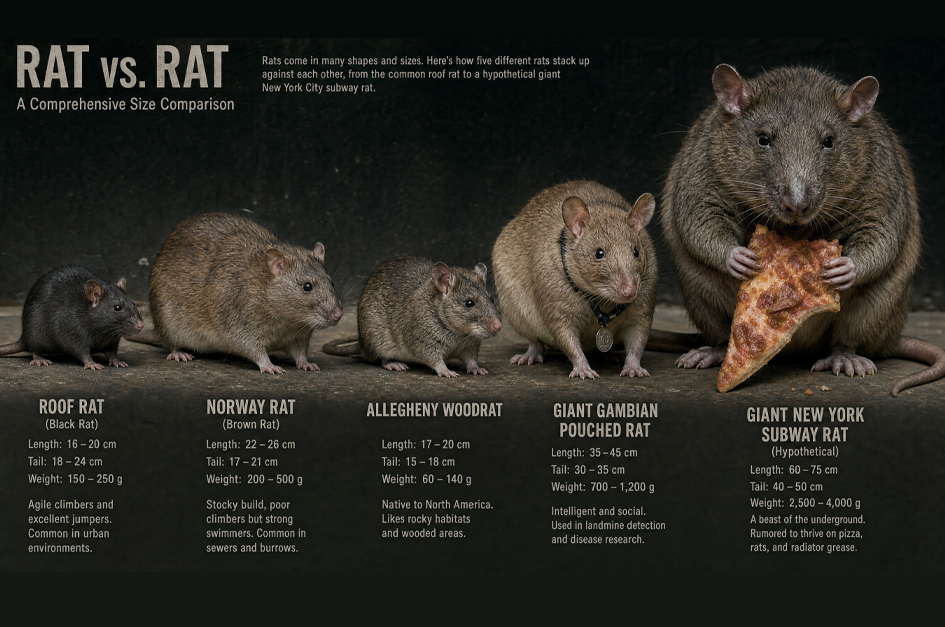
Rodents are among the most important pest concerns during the fall.
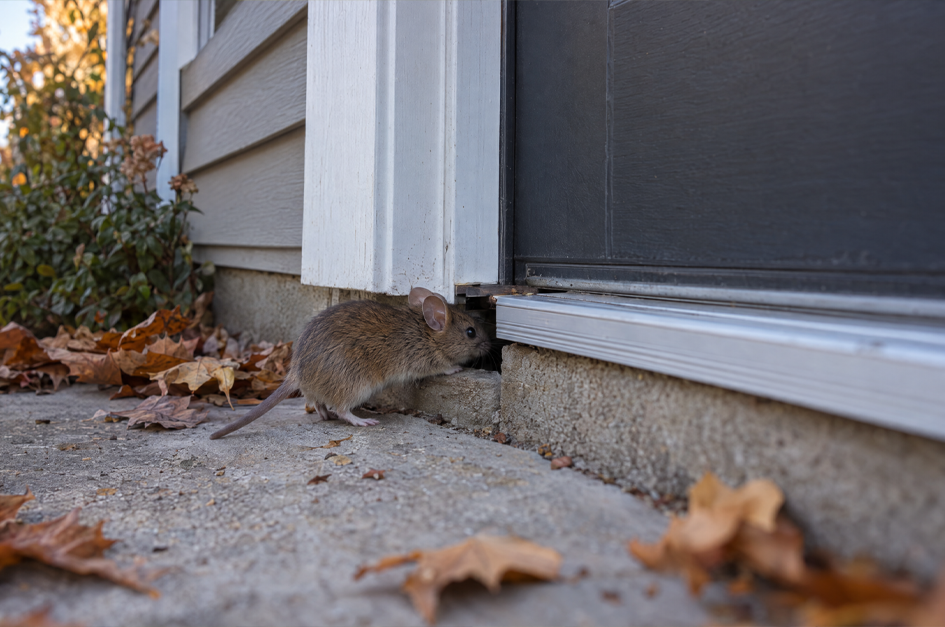
Mice and rats seek dependable food sources and protected nesting locations. A garage, basement, crawl space, attic, or commercial storage room can offer the shelter they need.
Mice can squeeze through openings as small as approximately one-quarter inch, making even minor gaps around foundations, pipes, or doors a potential entrance.
Signs to watch for:
- Small droppings in cabinets, pantries, or storage areas
- Scratching or movement inside walls and ceilings
- Chewed food packaging or insulation
- Nesting materials in secluded areas
- Openings around utility lines, foundations, and garage doors
Why October matters: Identifying and closing potential entry points before winter can help prevent rodents from settling in for the season.
Stink Bugs: Searching for a Winter Hiding Place
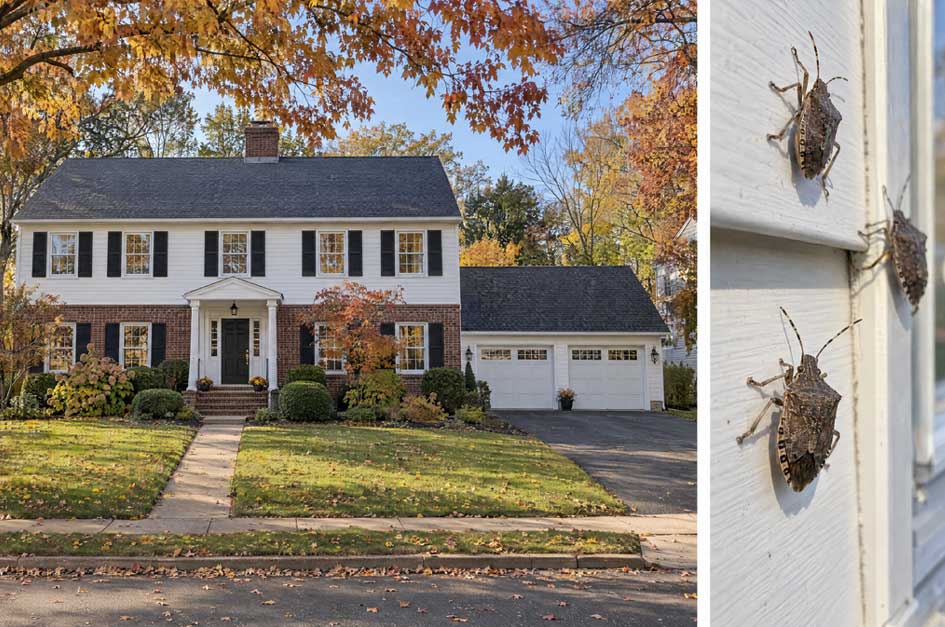
Brown marmorated stink bugs are especially familiar to homeowners throughout southeastern Pennsylvania.
On warm autumn days, these shield-shaped insects often gather on sun-exposed siding, windows, and exterior walls.
They're not necessarily looking for food inside your home. They're looking for a protected location where they can remain sheltered during winter.
Once they find gaps around windows, siding, rooflines, or vents, they may move into wall cavities and attics.
Signs to watch for:
- Stink bugs gathering around windows and doors
- Groups of insects on sunny exterior walls
- Individual bugs appearing indoors
- Activity around attic windows and upper-story rooms
Why October matters: Preventing entry now is generally more effective than dealing with large numbers of stink bugs that have already found shelter inside.
Boxelder Bugs and Asian Lady Beetles: Following the Sun
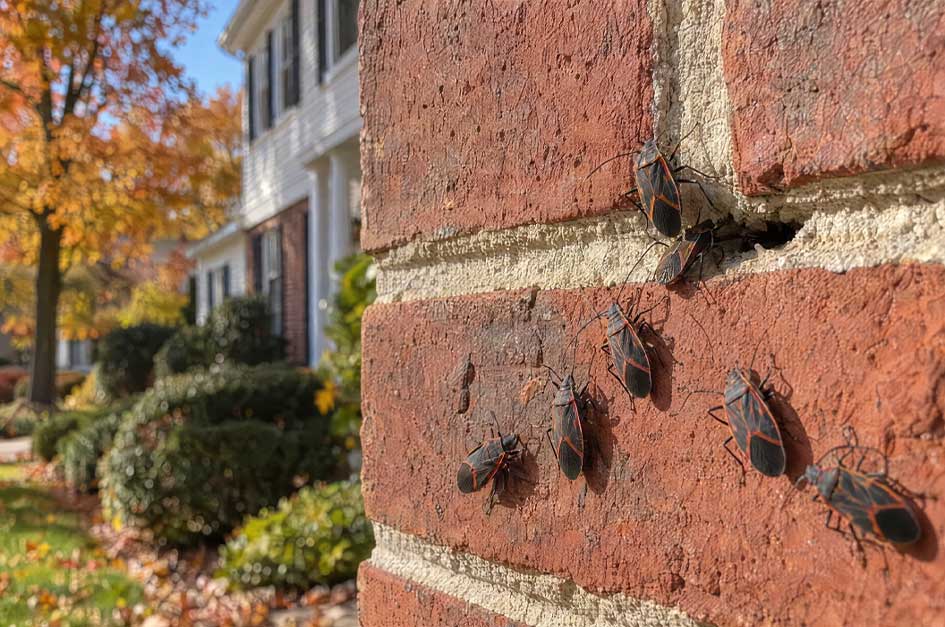
Like stink bugs, boxelder bugs and multicolored Asian lady beetles often become noticeable during early autumn.
These insects may gather on warm, sunlit building surfaces and enter through small cracks as they search for overwintering locations.
Although they're usually more of a nuisance than a structural threat, large numbers can frustrate homeowners.
Signs to watch for:
- Groups of insects on south- or west-facing walls
- Activity around window frames and siding
- Insects gathering in attics or appearing around interior windows
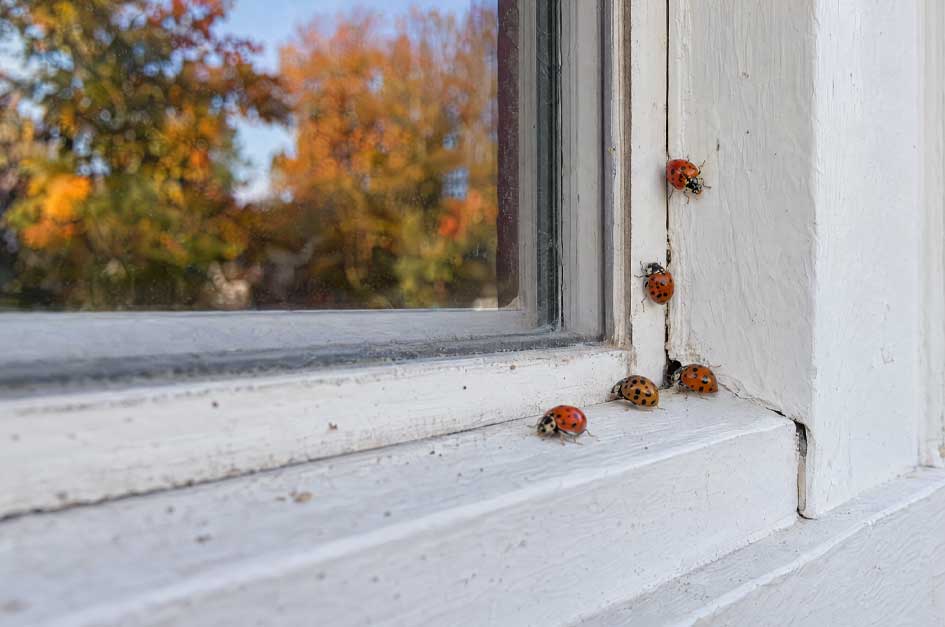
Why October matters: Fall is an important time to seal exterior entry points before these insects find their winter shelter.
Yellowjackets and Wasps: Still Active Before the Cold
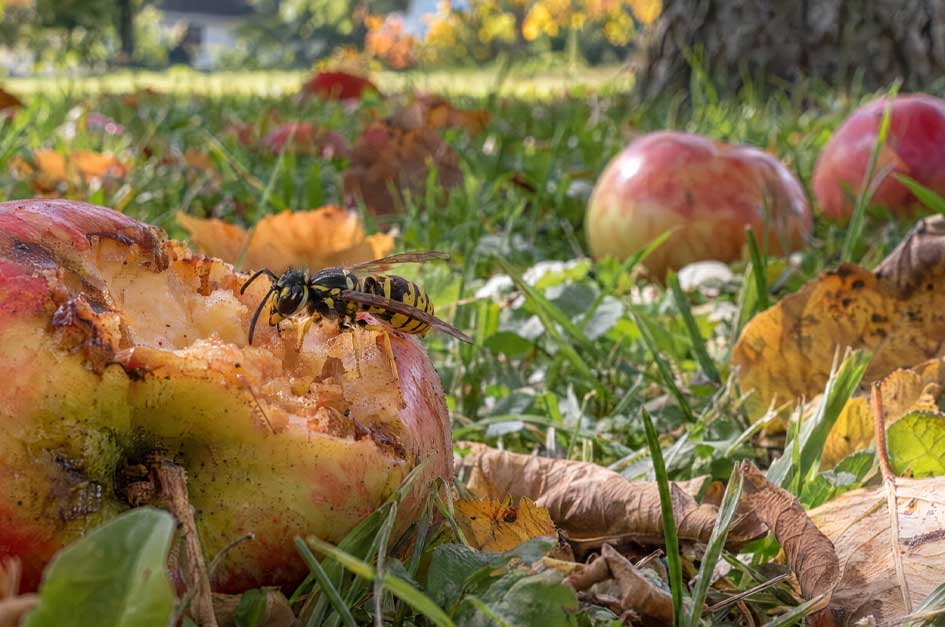
Don't assume that cooler October weather means stinging insects have disappeared.
Depending on temperatures, yellowjacket colonies can remain active well into autumn. Mature colonies may contain large numbers of workers, and yellowjackets can be especially noticeable around food, fallen fruit, trash, and outdoor gatherings.
Signs to watch for:
- Repeated yellowjacket traffic near ground openings
- Wasps entering holes in siding or walls
- Heavy activity around garbage cans and outdoor dining areas
- Nests near walkways, patios, or entrances
Why October matters: Active nests near areas used by people or pets can remain a concern until sustained cold weather reduces colony activity.
Never attempt to disturb or seal an active nest inside a wall. Professional evaluation is the safer approach.
Ticks: Fall Doesn't Mean They're Gone
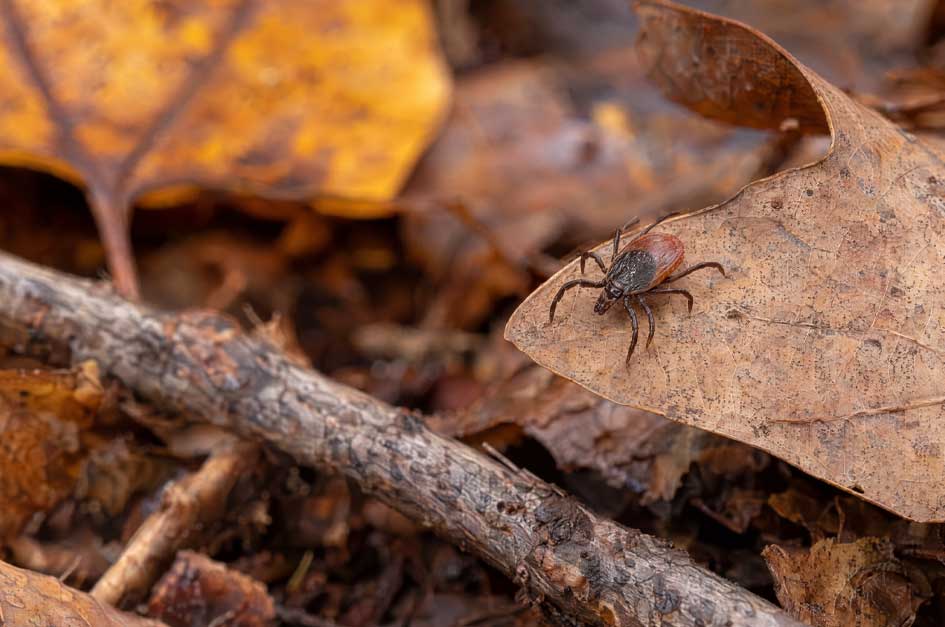
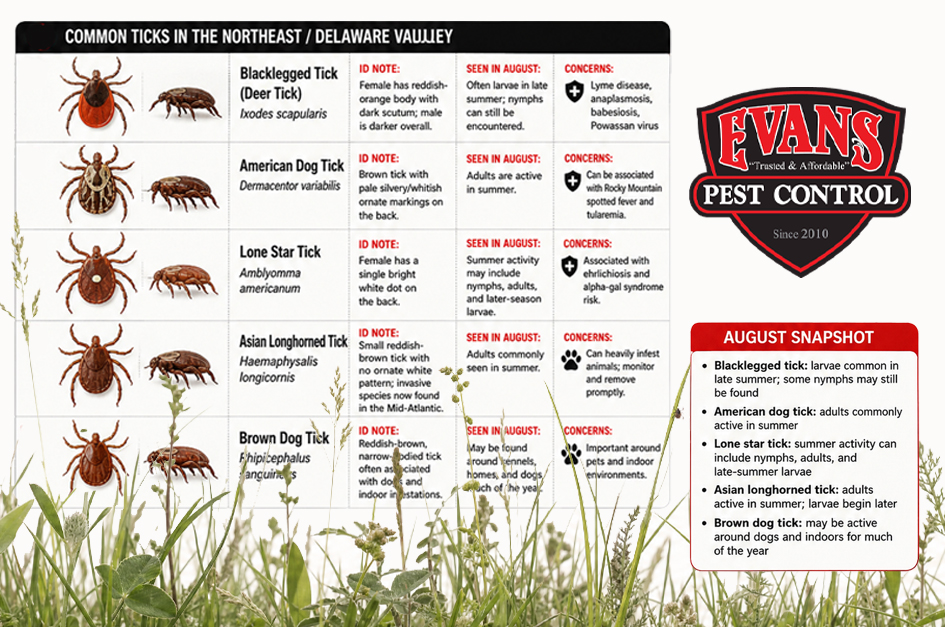
Many people associate ticks with spring and summer, but blacklegged ticks, commonly called deer ticks, can remain active throughout October and November.
Adult blacklegged ticks are especially important during the fall and may remain active on milder winter days.
They can be encountered in wooded areas, brush, leaf litter, and along the edges of lawns and trails.
Signs and situations to watch for:
- Tick exposure after gardening or clearing leaves
- Ticks on pets after walking through wooded areas
- Overgrown vegetation and brush near recreational spaces
- Leaf litter along property boundaries
Why October matters: Fall outdoor activities can continue to present exposure risks for Lyme disease and other tickborne illnesses.
What About Cockroaches, Spiders, and Other Indoor Pests?
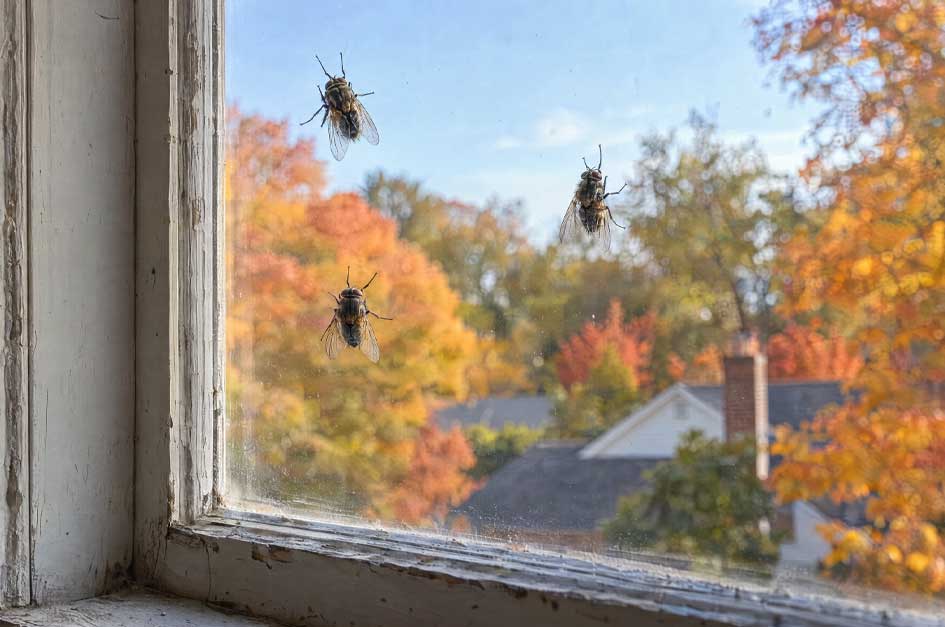
Some other fall visitors, including cluster flies, may seek shelter in attics and wall voids and later appear around windows. While October changes the behavior of many outdoor pests, some indoor pest problems don't follow the seasons as closely.
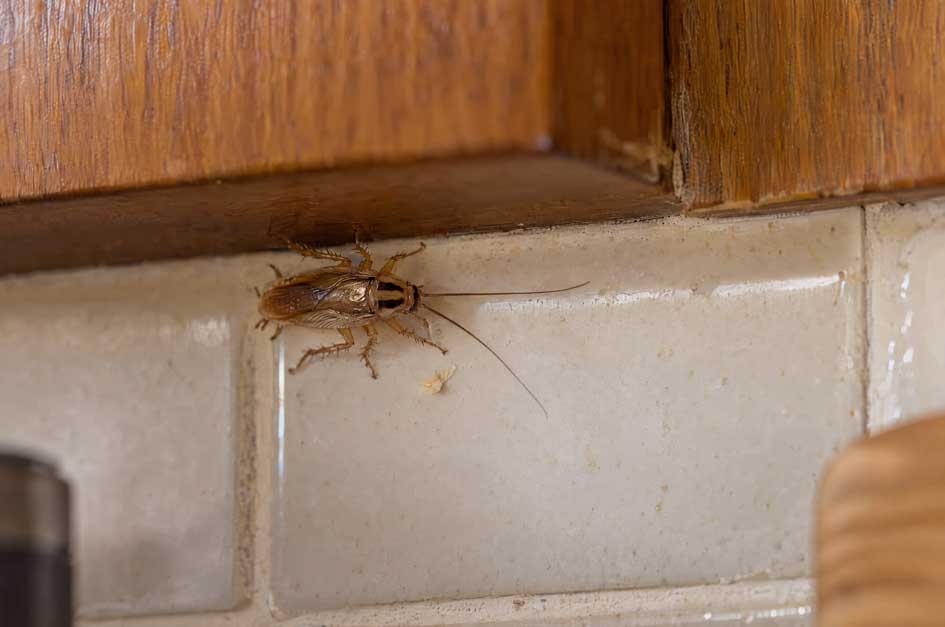
Cockroaches can reproduce throughout the year in heated buildings, especially where food, moisture, and hiding spaces are available.
Spiders may become more noticeable during autumn, but most common Pennsylvania spiders are harmless and help control other insects.
Bed bugs are another year-round concern. Their activity is more closely associated with the availability of human hosts than with outdoor seasonal temperatures.
The important distinction is that some pests are trying to move indoors for winter, while others may already be established inside.
Both situations deserve attention, but they may require different prevention and treatment approaches.
Seven Things You Can Do Right Now to Protect Your Property
October is an excellent time for a fall pest-prevention inspection.
- Inspect your foundation and exterior walls. Look for cracks, gaps, and damaged materials that could allow rodents or insects inside.
- Check doors and windows. Replace damaged weatherstripping, repair screens, and make sure exterior doors seal properly.
- Inspect utility openings. Pipes, cables, vents, and other penetrations can create entry points when improperly sealed.
- Remove attractive food sources. Keep garbage secured, store pet food and birdseed properly, and clean up spilled food.
- Reduce clutter and outdoor hiding places. Move stored materials away from the building and address dense vegetation near foundations.
- Pay attention to early warning signs. Droppings, unusual scratching sounds, insect gatherings, and recurring pest sightings may indicate a developing problem.
- Consider a professional fall pest inspection. A trained pest management professional can identify vulnerabilities and recommend appropriate prevention or treatment options.
Why Early Fall Pest Prevention Makes Sense
By the time winter arrives, some pests may already be established inside a home or commercial property.
Rodents may be nesting in inaccessible spaces. Stink bugs and other overwintering insects may already be sheltering in wall voids. Existing indoor infestations may continue unnoticed.
That's why October is such an important time for prevention.
Taking action before an infestation develops is often easier and less disruptive than addressing a larger problem later.
Evans Pest Control: Helping the Delaware Valley Stay Protected This Fall
At Evans Pest Control, we understand the seasonal pest challenges facing homeowners and businesses throughout Philadelphia and the surrounding Delaware Valley.
From rodents and nuisance insects to ongoing residential and commercial pest concerns, our team can help identify pest activity, evaluate potential entry points, and recommend practical solutions for your property.
Don't wait until unwanted pests have made themselves comfortable.
October is a great time to inspect, prepare, and protect your home or business before the colder weather arrives.
Contact Evans Pest Control to discuss your fall pest prevention needs.
Serving Philadelphia, Bucks, Montgomery, Delaware, and Chester Counties in Pennsylvania, along with Camden County and surrounding South Jersey communities.
Evans Pest Control — Helping Protect Your Property in Every Season.
Article Gallery