Preparing Your Home or Business for Fall
Fall in Philadelphia and throughout the Northeast brings cooler temperatures, shorter days and changing leaves. But while we notice the change in seasons, so do the pests living around our homes and businesses.
For many pests, fall is a transition period. Food sources change. Temperatures begin dropping. Outdoor shelter becomes less reliable. And buildings that may have been largely ignored during the warmer months suddenly offer exactly what pests are looking for: food, water, warmth and protection.
That makes early fall one of the most important times of year to think about pest prevention.
Rodents Begin Looking for Better Shelter
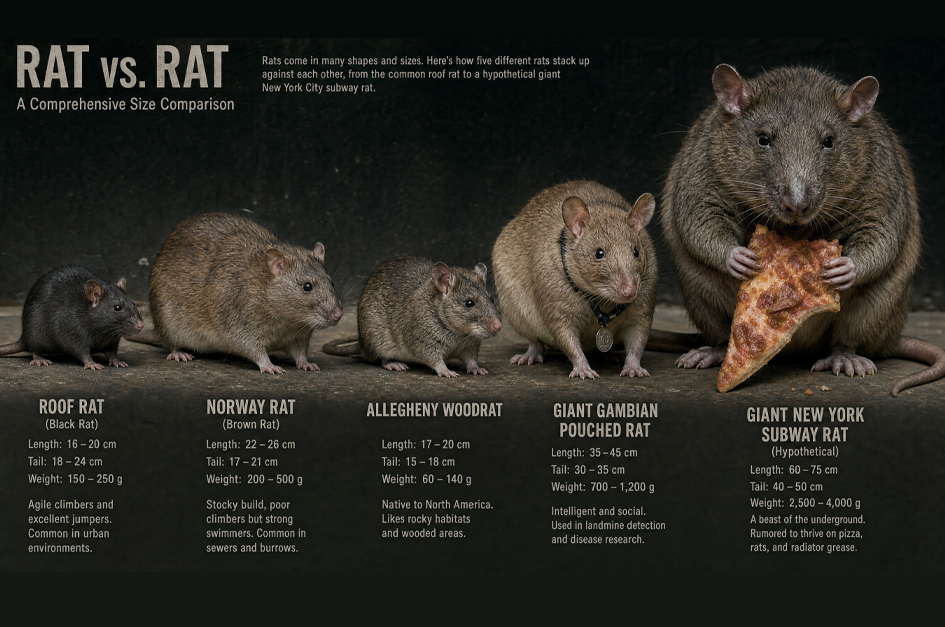
Mice and rats are among the biggest concerns as temperatures begin to fall.
During warmer weather, rodents can find plenty of food and shelter outdoors. As conditions change, homes, restaurants, apartment buildings, warehouses, offices and other structures become increasingly attractive.
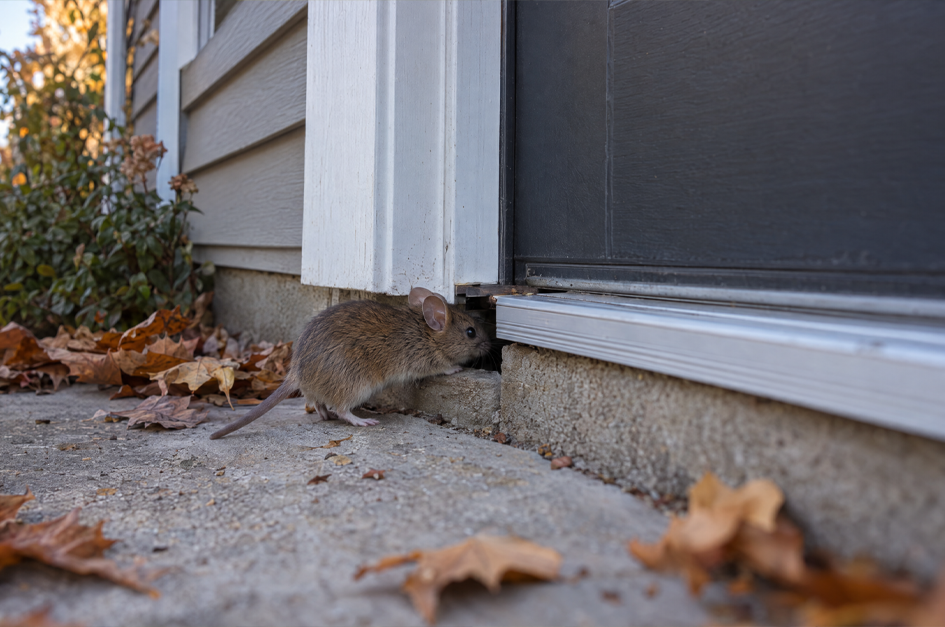
A small opening around a foundation, utility line, door, loading area or pipe penetration can provide access to the interior of a building. Mice are particularly capable of squeezing through remarkably small openings, while rats can exploit gaps around foundations, drains and other structural vulnerabilities.
Once inside, rodents don't necessarily leave when spring returns. If they have reliable access to food, water and nesting areas, the building can become their permanent habitat.
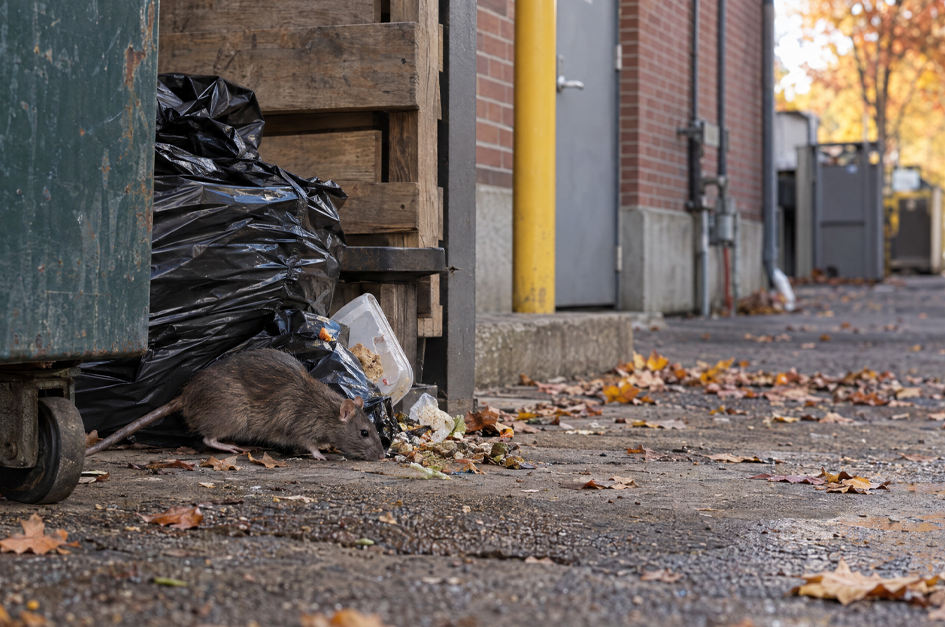
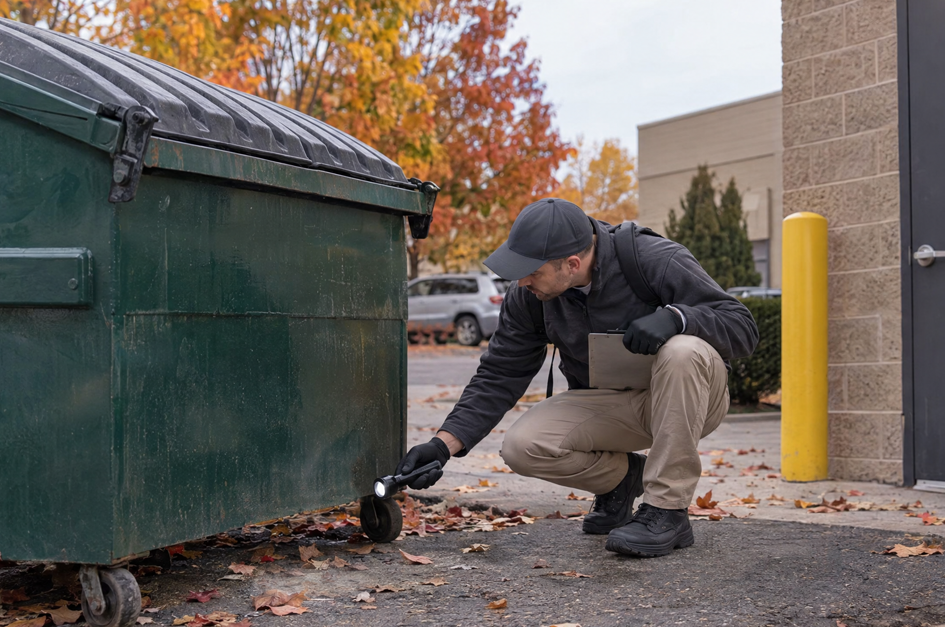
For businesses, rodent activity can be especially problematic around dumpsters, receiving areas, kitchens, storage rooms, utility spaces and loading docks. Residential properties should pay particular attention to garages, basements, crawlspaces, attached sheds and utility penetrations.
Fall prevention is much easier than dealing with an established rodent population during winter.
Yellowjackets and Other Stinging Insects Can Become More Noticeable
People sometimes assume bee and wasp activity disappears as soon as summer ends. In reality, the transition into fall can be one of the times when people notice stinging insects the most.
Yellowjackets in particular can become persistent around outdoor dining areas, trash cans, sugary drinks, food waste and other readily available food sources during late summer and fall.
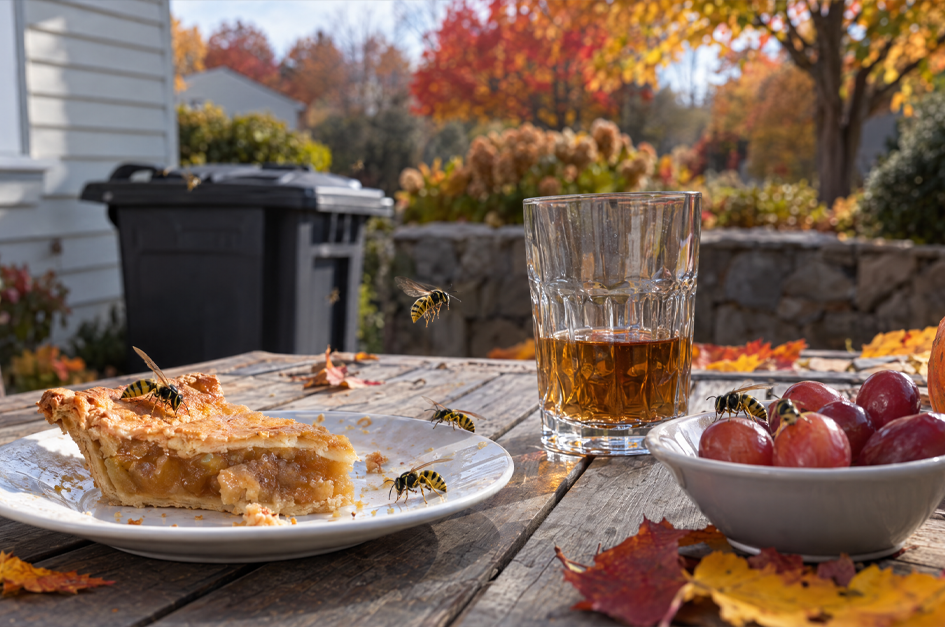
Established nests may also have reached substantial size by the end of summer.
Homeowners and businesses should therefore remain cautious around nests in wall voids, landscaping, beneath decks and porches, around rooflines, or underground near walkways.
For a business, a nest close to an entrance, outdoor dining area, playground, employee entrance or pedestrian walkway can become more than an inconvenience—it can present a significant sting hazard.
Most annual paper-wasp and yellowjacket colonies will eventually die as winter approaches, but that doesn't mean an active nest in a high-traffic area should automatically be ignored.
Cockroaches Don't Take the Winter Off
Cockroaches are another important fall consideration, but for a different reason.
Some pests are trying to get inside before winter.
Many cockroaches are already there.
German cockroaches can live and reproduce inside heated buildings throughout the year. Restaurants, apartment buildings, commercial kitchens, food facilities and other properties that provide dependable food, moisture and warmth can support cockroach populations regardless of the weather outdoors.
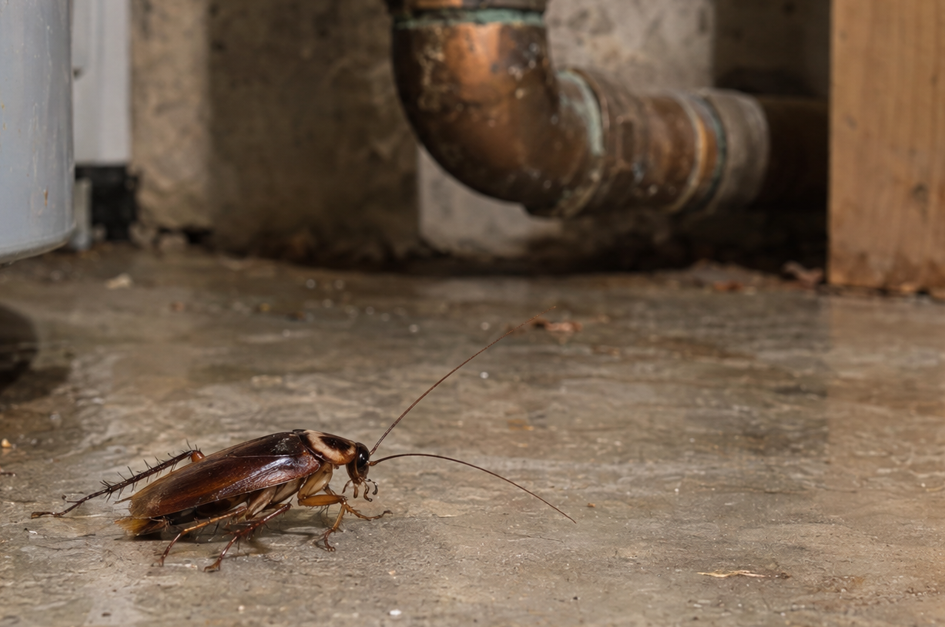
American cockroaches are frequently associated with basements, drains, sewer systems and warm, moist utility areas, while Oriental cockroaches favor dark, damp environments such as basements and areas around plumbing.
That is why seeing a cockroach during fall shouldn't simply be dismissed as an insect that wandered indoors because it became cold.
It may indicate an established population or an entry route that needs to be investigated.
Professional inspection and monitoring can help determine what species is present, where it is coming from and what conditions are allowing it to survive.
Fall Invaders: Stink Bugs and Other Overwintering Pests
The Northeast also has another group of fall visitors: insects looking for a protected place to spend the winter.
Stink bugs are a familiar example in Pennsylvania. Large numbers can sometimes enter buildings during early fall as they seek protected overwintering locations.
Other insects may gather around siding, windows, rooflines, attics and wall voids before eventually finding their way indoors.
These pests may not present the same concerns as rodents or cockroaches, but large numbers inside a home or commercial building can quickly become frustrating.
A Little Fall Maintenance Still Makes a Big Difference
Basic property maintenance remains an important part of fall pest prevention.
Keep leaves and accumulated debris from building up immediately against foundations. Trim vegetation and shrubs away from structures when practical. Remove unnecessary clutter, wood, cardboard and other materials that can provide protected hiding areas. Keep dumpsters and trash containers closed and address food spills promptly.
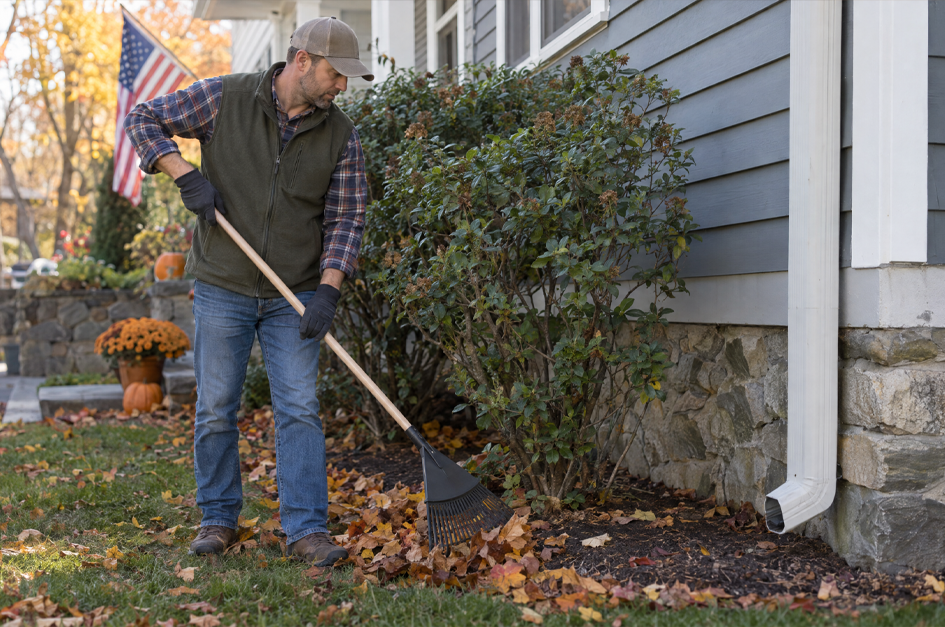
Then look at the building itself.
Check door sweeps, garage doors, utility penetrations, foundation gaps, vents, screens, pipe openings and other places pests may use to enter.
Integrated Pest Management focuses heavily on these preventive measures—removing access to food, water and shelter and correcting the conditions that allow pests to become established.
Fall Is the Time to Find Problems Before Winter Does
One of the best things a homeowner or business owner can do during fall is simply pay attention to what is changing.
A mouse dropping in the basement, scratching inside a wall, unexplained cockroach activity near a drain, a yellowjacket nest beside an entrance or gaps appearing around exterior doors may seem minor today.
By December, the situation can be very different.
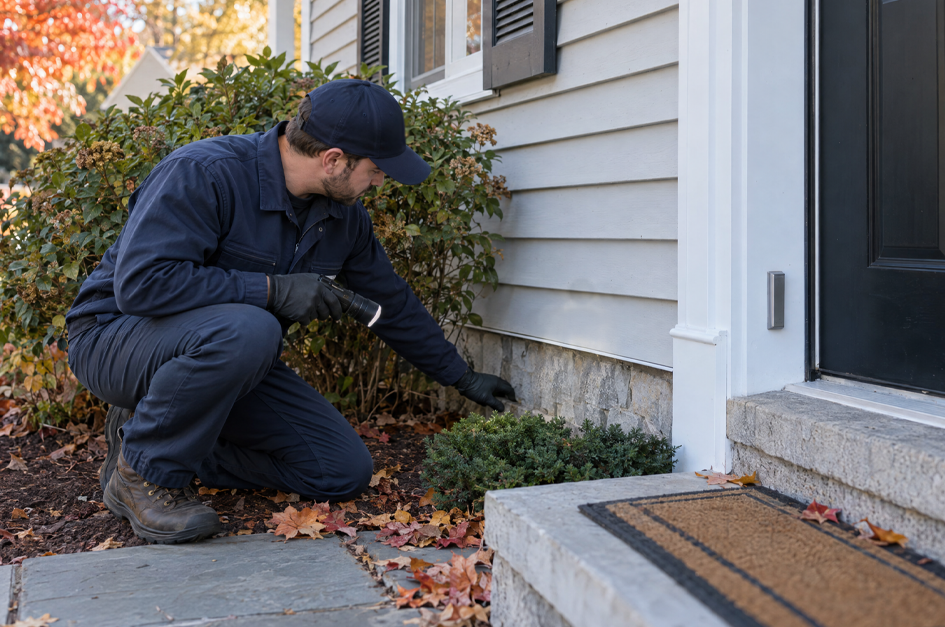
At Evans Pest Control, our approach is to look beyond the pest you can see. We identify how pests are entering, where they're living and what conditions are helping them survive so that the underlying problem can be addressed.
Whether you manage a commercial property or you're preparing your home for colder weather, fall is an ideal time for a pest inspection and preventative service.
Prepare for the season before unwanted guests decide to move in.
Contact Evans Pest Control today to schedule an inspection or fall pest-control service.
Article Gallery