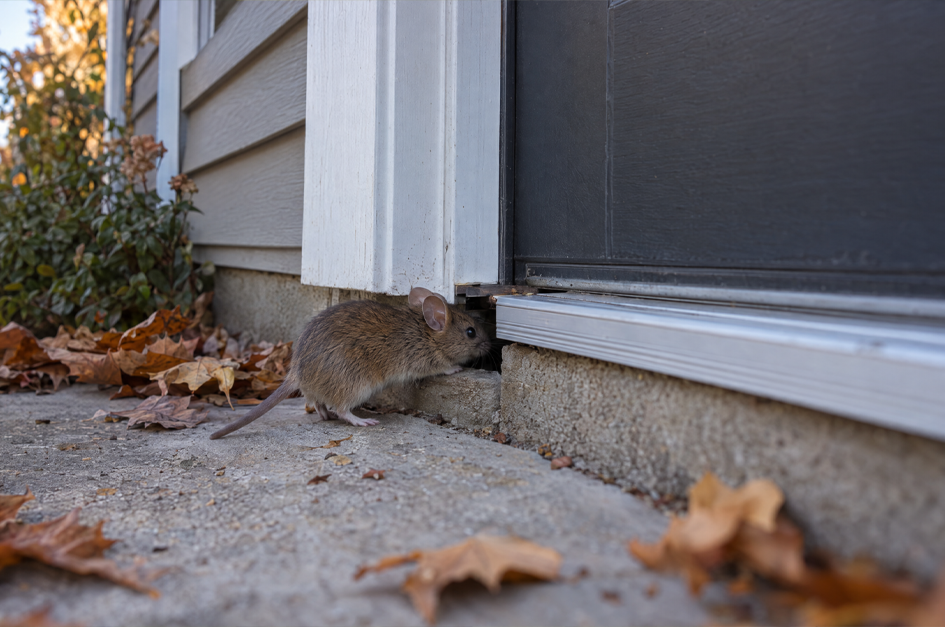
Some monsters aren't imaginary. Some have enormous jaws, impossibly long legs, or a life cycle that seems pulled from a horror movie.
Halloween brings stories of ghosts, vampires, and creatures lurking in the dark. But nature has already created animals strange enough to inspire nightmares. This October, Evans Pest Control invites you to meet six real-life creepy creatures through a collection of short Halloween stories. The scenes are dramatized for fun; the fascinating animal facts are real.
Not every creature featured here is an insect, and several are not native to the Philadelphia area. Still, each has a remarkable story to tell. Turn down the lights—and read on.
1. The Tailless Whip Scorpion: The Creature Waiting in the Darkness
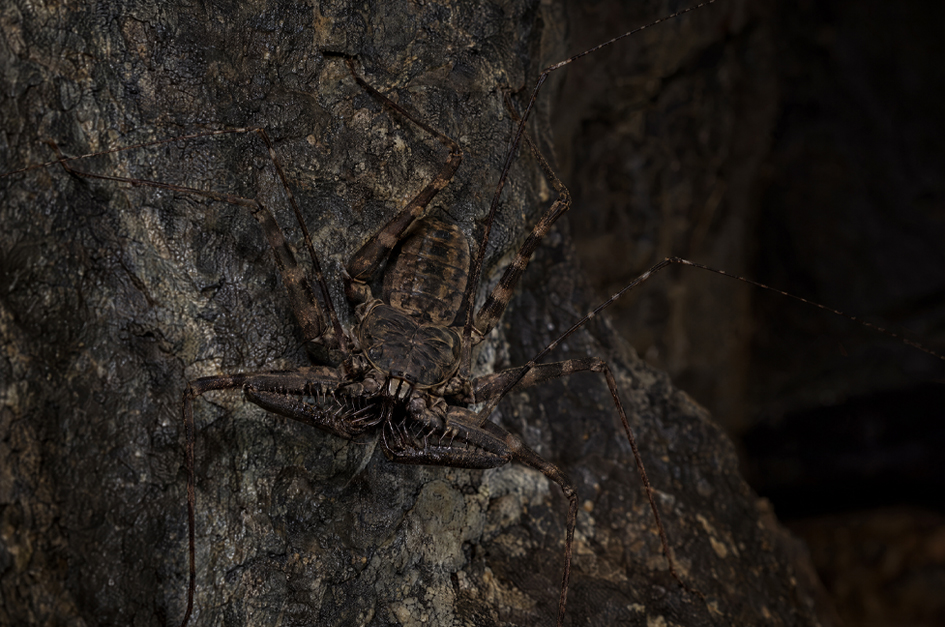
The flashlight flickered as the explorer stepped farther into the darkness. On the bark of a nearby tree, something moved—but only slightly.
At first it looked like an enormous spider. Then two astonishingly long, threadlike legs swept slowly through the air. Below its flattened body, spiny grasping appendages opened like the arms of a mechanical trap.
The explorer leaned closer. Suddenly the creature snapped forward, seizing a passing insect. An instant later, it became still again, almost vanishing against the bark.
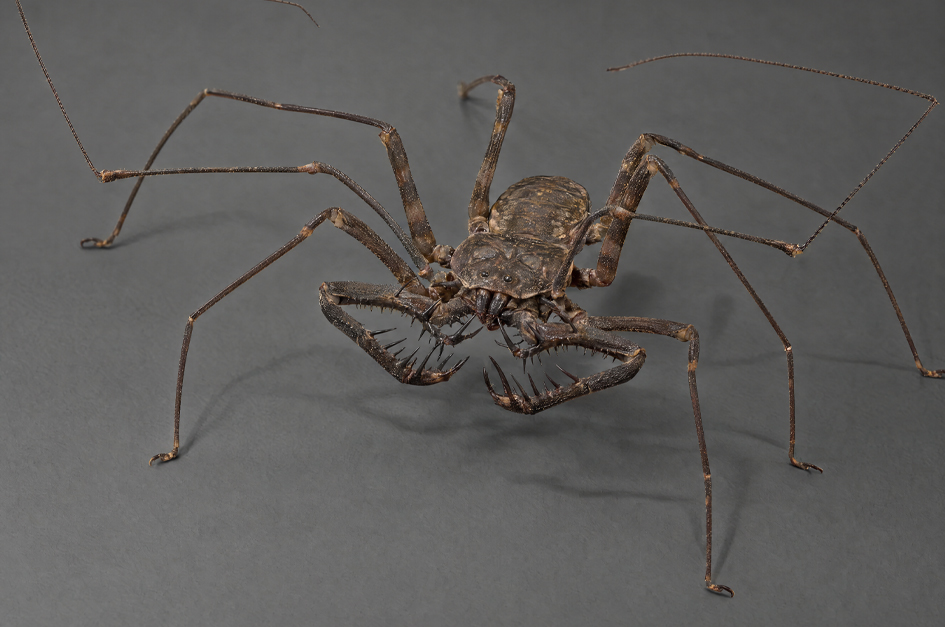
The frightening truth: Tailless whip scorpions are arachnids in the order Amblypygi. Their elongated front legs are sensory organs used to explore their surroundings, while their spiny pedipalps grab prey. Despite their intimidating appearance, they have no venomous stinger and are generally harmless to humans.
Halloween fright factor: It looks like a creature from another planet—and it doesn't need special effects.
2. The Camel Spider: The Desert's Eight-Legged Nightmare
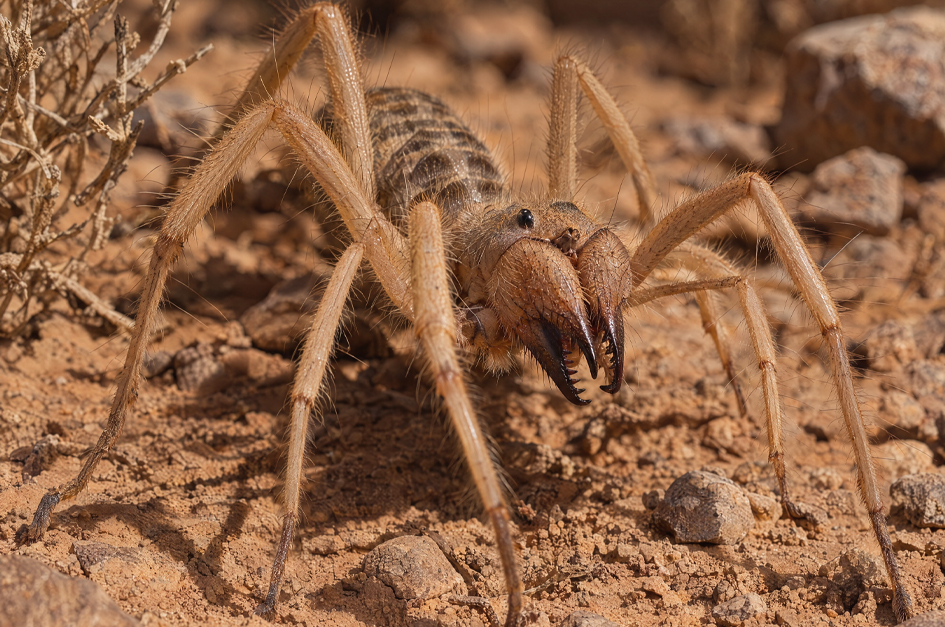
The desert seemed empty until a traveler noticed movement beside his boots. A sandy-colored creature raced across the ground with alarming speed.
He stepped away. It changed direction. He hurried toward his vehicle, and the creature seemed to follow, its hairy legs carrying it over the sand while its massive jaws worked in front of its face.
Had it chosen him as its next victim? Not quite. The traveler had become something much more useful than prey: a moving patch of shade beneath the brutal afternoon sun.
The frightening truth: Camel spiders, also known as solifuges, are arachnids—not true spiders or scorpions. They use large, powerful mouthparts called chelicerae to catch and consume prey. They do not have venom glands, and in hot environments they may run toward the shade cast by people or objects.
Halloween fright factor: A fast-moving hunter with jaws that seem impossibly large.
3. The House Centipede: The Monster on the Bathroom Wall
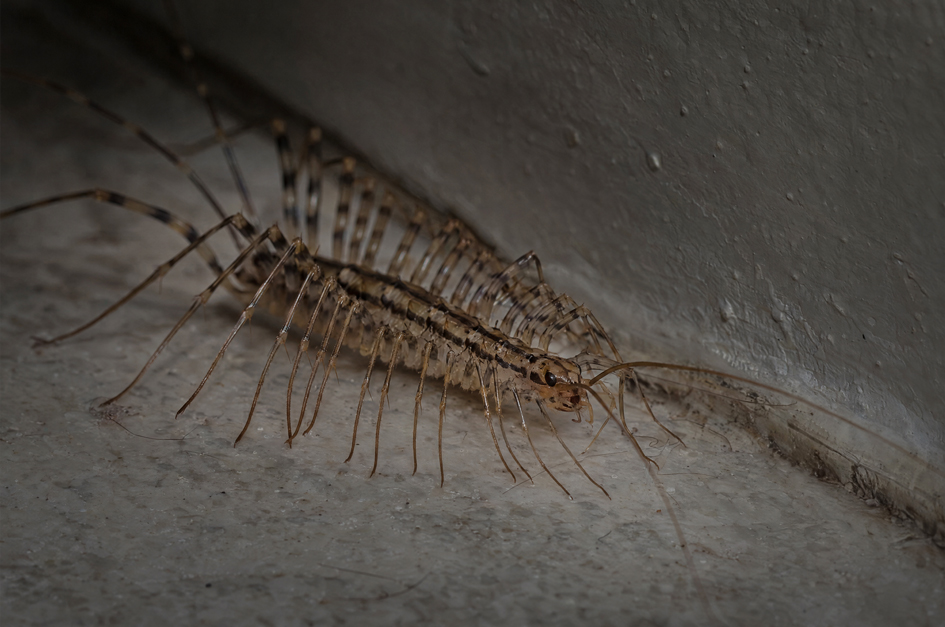
It was well past midnight in an old Philadelphia rowhome. The house was silent when the bathroom light clicked on.
Something beside the baseboard moved. It looked like a trembling knot of impossibly thin legs. Then it exploded into motion, sprinting across the wall faster than the homeowner could follow.
In a blink, it vanished into a crack. The room was empty again—or at least it looked that way.
The frightening truth: Adult house centipedes have 15 pairs of exceptionally long legs. They hunt other small arthropods and commonly inhabit damp, sheltered spaces such as basements and bathrooms. Their appearance can be startling, but they are generally considered beneficial predators and rarely cause problems for people.
Halloween fright factor: Of all these creatures, this is one you really might find in your own home.
4. The Botfly: The Monster Beneath the Skin
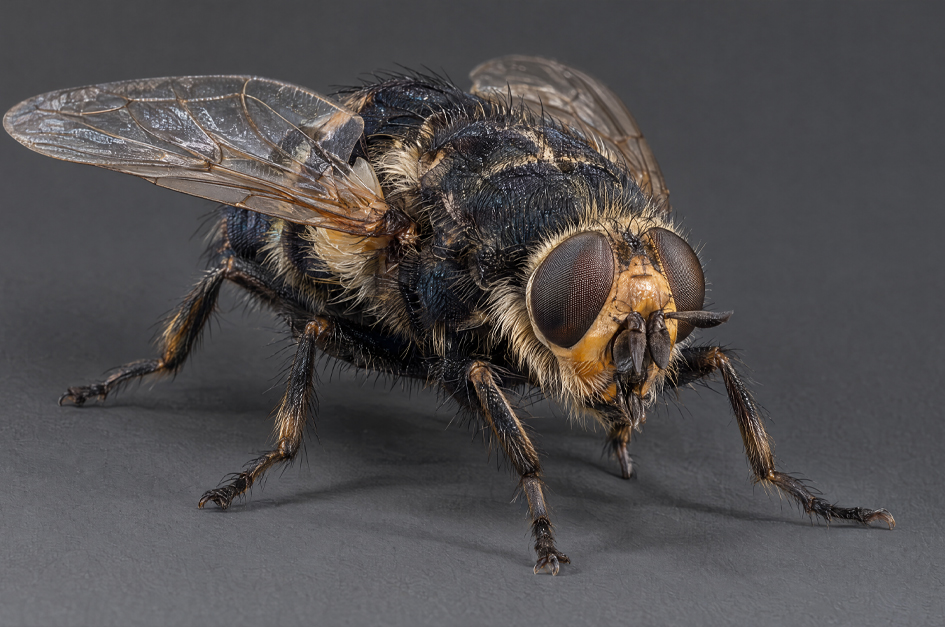
After returning from a tropical rainforest, a traveler noticed what seemed to be an insect bite. The small bump on his arm would not heal.
Days passed. The swelling remained. Then came an unsettling sensation: movement beneath the skin.
A medical examination revealed something extraordinary. Hidden beneath the surface was a developing insect larva. The horror wasn't supernatural. It was biological.
The frightening truth: The human botfly, Dermatobia hominis, can cause a form of myiasis in which a larva develops in the skin of a mammal. Its eggs may be transported by mosquitoes or other insects. This parasite occurs mainly in tropical parts of the Americas and is not a typical household pest in Pennsylvania. Suspected infections require medical evaluation—not home removal.
Halloween fright factor: The most unsettling creature is the one you never see coming.
5. The Cockroach: The Army Behind the Kitchen Wall
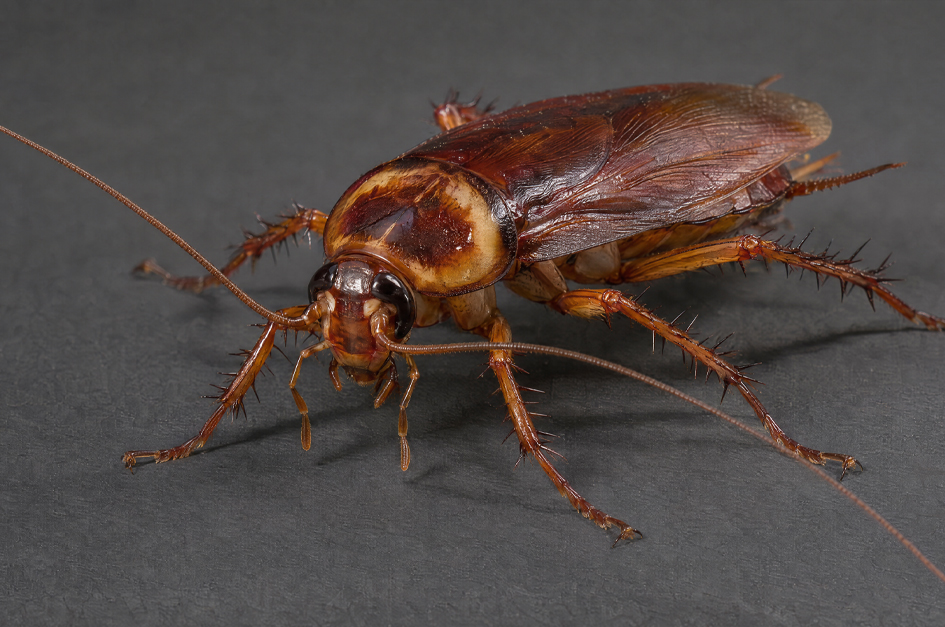
The kitchen was dark except for the pale light of the refrigerator. A homeowner reached for a glass of water and flipped on the ceiling light.
A shiny brown shape shot across the countertop and disappeared behind the stove. He grabbed a flashlight, crouched down, and looked beneath the appliance.
Another cockroach scuttled into the darkness. Then another. Along the narrow gap behind the wall trim, antennae stirred. Suddenly, the first cockroach no longer seemed like the real problem.
The frightening truth: Many cockroach species are nocturnal and hide in cracks, around plumbing, and behind appliances. The American cockroach pictured here is a large species often associated with damp utility areas and drainage systems. Other species, especially German cockroaches, can establish rapidly growing indoor infestations. Cockroach allergens can worsen asthma or allergy symptoms in susceptible people.
Halloween fright factor: It's not the cockroach you saw—it's the ones you haven't seen.
6. The Northern Giant Hornet: The Flying Nightmare
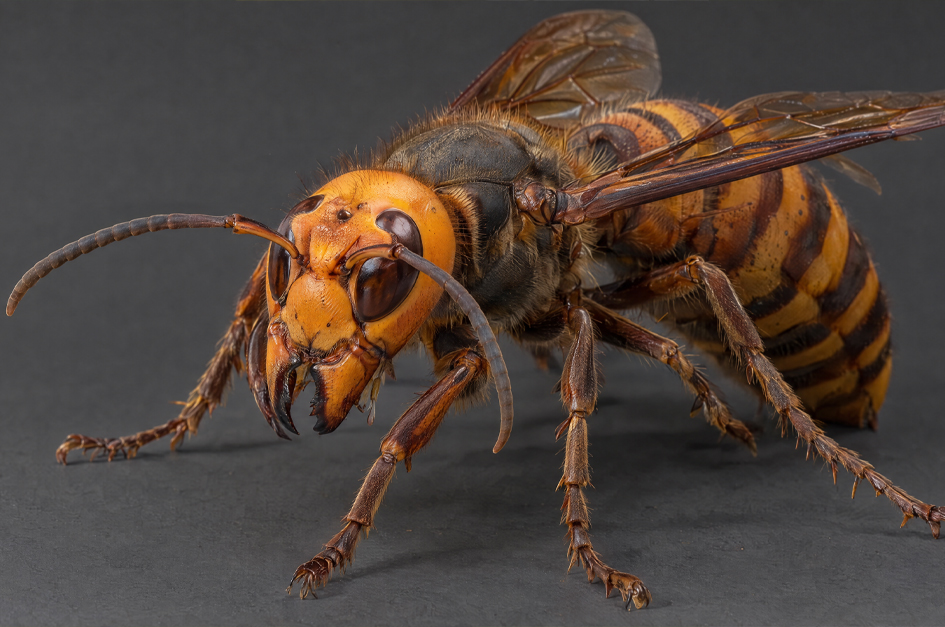
A low buzz interrupted the stillness near a beehive. A large hornet landed by the entrance, its orange head and heavy jaws looking almost prehistoric.
Worker bees gathered to defend their home. The intruder seized one, then another. If additional hornets joined the attack, a thriving colony could face devastating losses.
To the bees, this was no Halloween story. It was a real predator at the door.
The frightening truth: The northern giant hornet, Vespa mandarinia, is native to parts of Asia and is known for its powerful mandibles and attacks on honeybee colonies. Its sting can be dangerous, especially with multiple stings or an allergic reaction. It is not established in Philadelphia or elsewhere in Pennsylvania; officials declared it eradicated from the United States in 2024 following detection and control efforts in Washington state.
Halloween fright factor: A formidable flying hunter capable of overwhelming honeybee defenders.
The Scariest Part? Nature Doesn't Need Special Effects.
These six encounters are Halloween fiction, but the creatures—and the remarkable abilities behind their stories—are real. Some look terrifying yet are generally harmless to people. Others have unusual hunting or reproductive strategies that can make even a seasoned horror fan shiver.
Of course, the pests that matter most to Philadelphia-area homeowners are often far more familiar. Cockroaches, rodents, termites, bed bugs, and other unwanted visitors can create genuine problems in houses and businesses.
Don't let real pests turn your home into a house of horrors.
Evans Pest Control provides residential and commercial pest management services in Philadelphia, Bucks, Montgomery, Delaware, and Chester Counties, as well as surrounding South Jersey communities. If you've noticed signs of pest activity, let our team help identify the problem and recommend the right approach.
Happy Halloween from Evans Pest Control!
Article Gallery