Evans Pest Control presents | Halloween Special
Rats! What's the BUZZ Halloween Special
The jack-o'-lanterns are lit, the cobwebs are up, and the nights are getting longer. Somewhere in your neighborhood, something is waiting for the lights to go out.
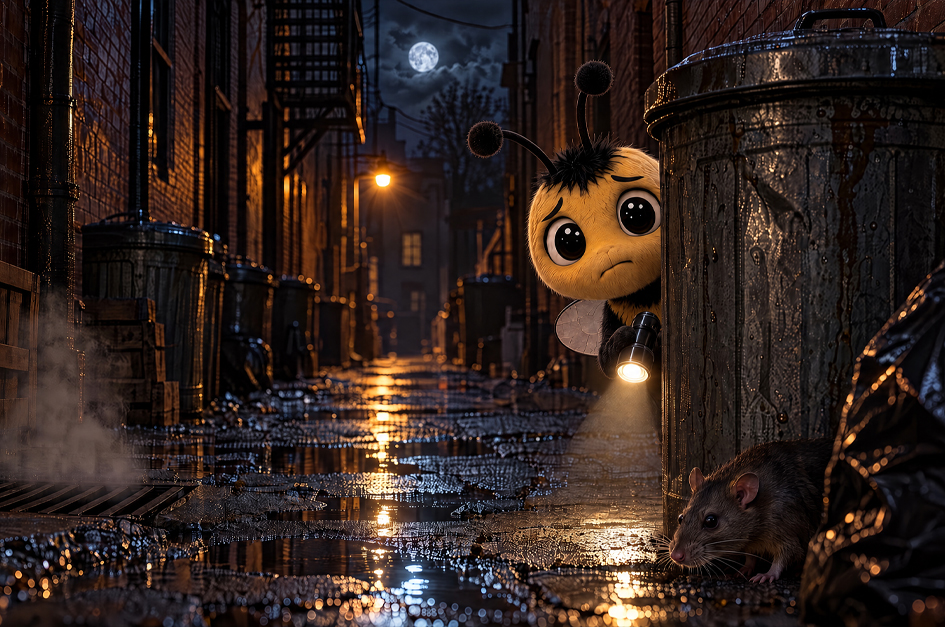
This Halloween, Bobby BEE is taking on the creatures of the night. Not ghosts, not vampires: rats. The sewer-dweller. The trash-can ambassador. The gnawing creature of the night.
What makes rats so frightening is how close they live to us while staying almost completely out of sight. And fall is when they start looking for a warm place to spend the winter, like your basement.
Grab a pumpkin, turn down the lights, and join Bobby for a spooky (but true) look at Philadelphia's most unwelcome neighbors.
Watch: What's the BUZZ Halloween Special — Rats!
The Halloween episode featuring Bobby BEE and the creatures of the night.
Bobby BEE doesn't scare easily. He does the scaring. But if he were to be scared, which he's not, it might be of... a rat.
In this two-minute special, Bobby follows rats from a rain-soaked Philadelphia alley, down into their hidden burrows, and right up to their ever-growing teeth. Fair warning: it gets a little spooky, and Bobby gets a little jumpy.
After you watch, read on for the real facts behind each scene and what you can do to keep rats out of your home this fall.
The Scary-but-True Story Behind the Episode
The Creature in the Alley
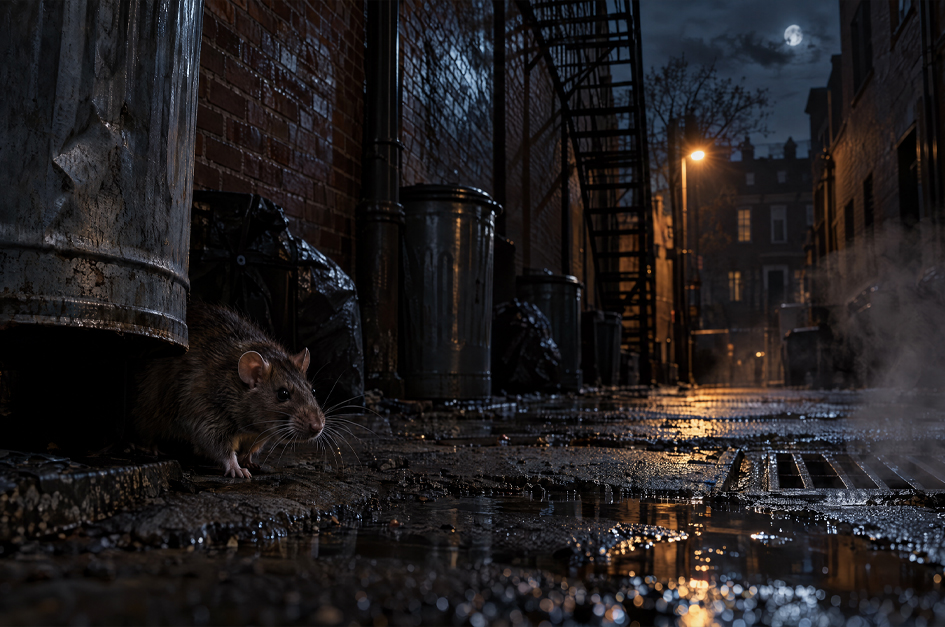
The Norway rat, also called the brown rat, is the rat you'll find in Philadelphia's alleys, basements and sewers. It has adapted to living right alongside people, and it can live and breed inside buildings, in sewers and under concrete slabs.
Rats are mainly nocturnal. While you're asleep, they're out searching for food, which is why many homeowners don't know they have a problem until they find droppings, gnaw marks or a chewed-up bag of bread.
What They Leave Behind
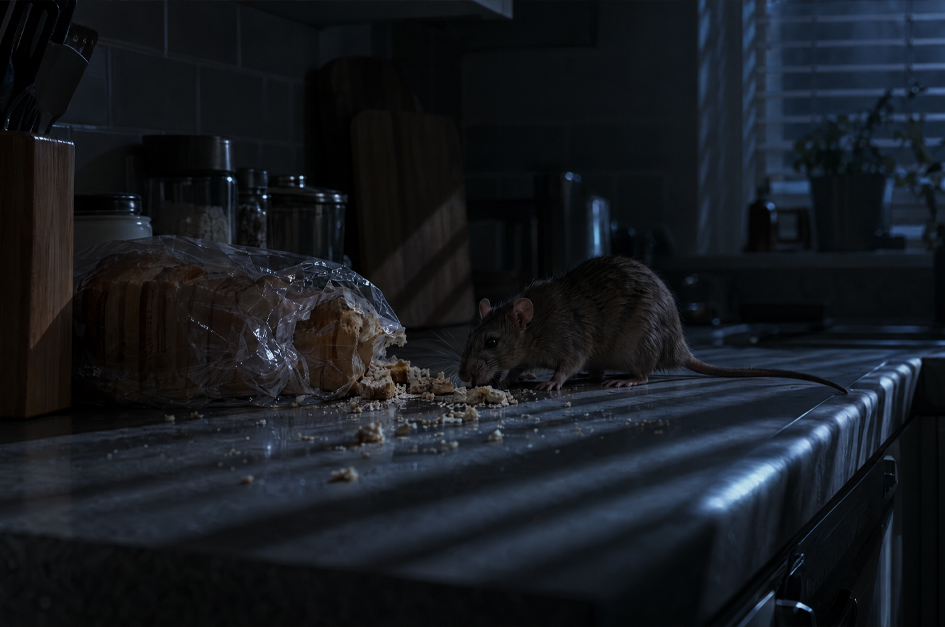
Here's the truly frightening part. Wild rats can carry germs that spread to people through bites and scratches, contact with their urine or droppings, contaminated food, and contaminated dust.
- Leptospirosis spreads through contact with rat urine, or water, soil or food contaminated by it.
- Rat-bite fever spreads through bites and scratches, and through food or drink contaminated by rats.
- Salmonellosis spreads when rodent droppings contaminate food.
- Fleas that ride on rats can spread diseases such as murine typhus.
The Underground World
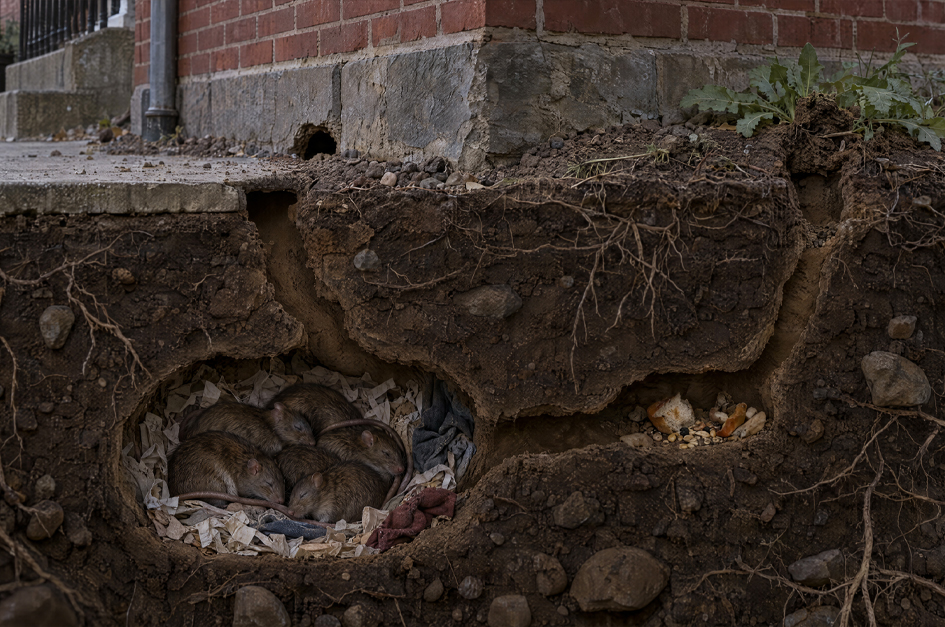
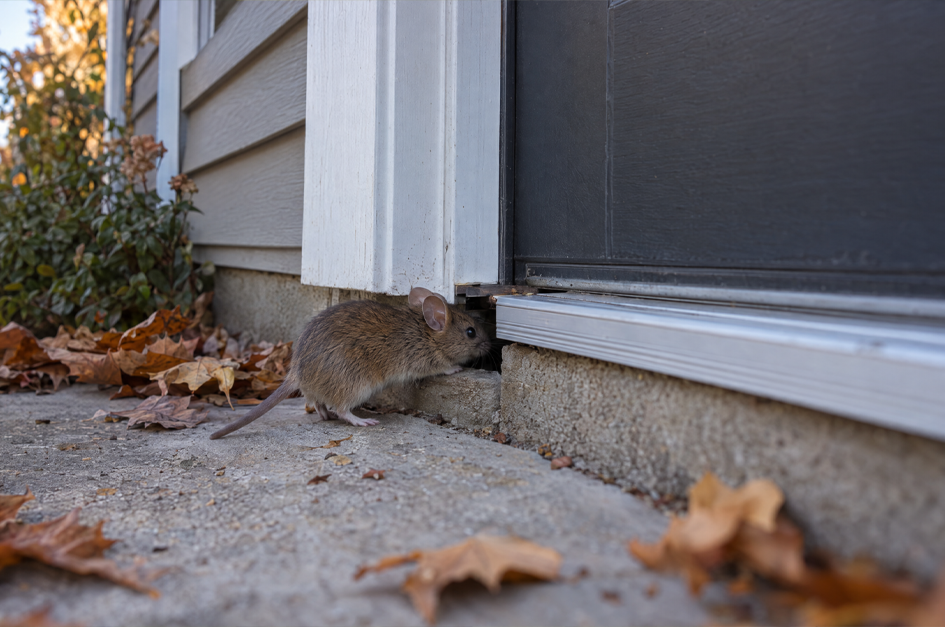
When the sun comes up, Norway rats often go down. They dig burrows along building foundations, under woodpiles and beneath clutter, typically 12 to 18 inches deep and up to about 6½ feet long.
Inside is a hidden world: a den chamber with a nest lined with shredded paper or cloth, short side tunnels used as food caches, and one or two escape exits called bolt holes. Bolt holes are often hidden under plants or junk and lightly plugged with dirt. Block one entrance and the rats simply use another.
The Teeth
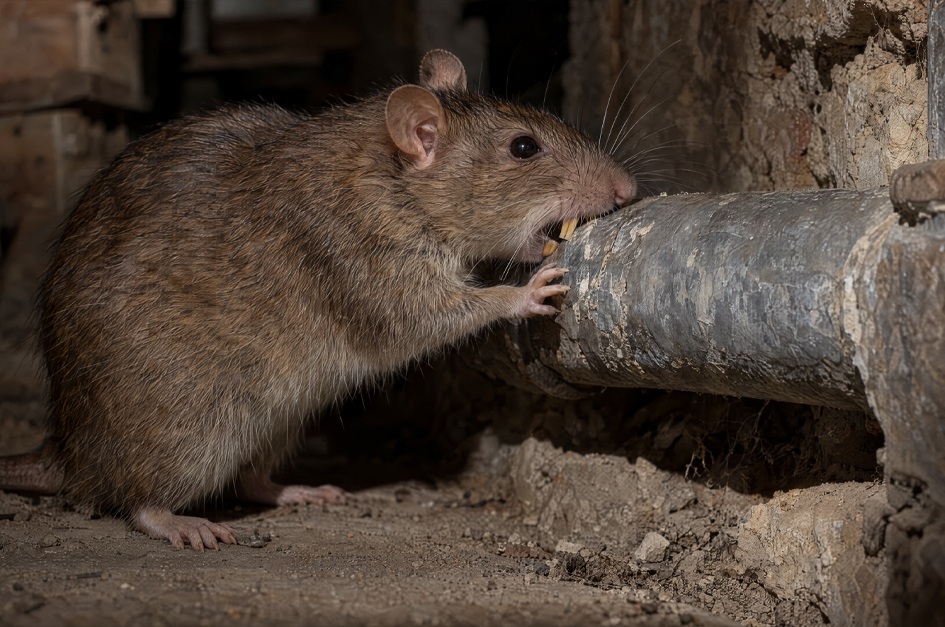
A rat's front teeth never stop growing, about 5 inches a year. To keep them worn down, rats gnaw constantly. Their incisors are reinforced with iron, and their outer layers give them that orange-brown color.
Those teeth can chew through wood, wire, cinderblock, glass and even lead. A rat can squeeze or gnaw its way in through any opening wider than half an inch. That's why chewed wiring is one of the most dangerous signs of a rat problem in an older home.
How to Keep the Creatures of the Night Out of Your House
As Bobby says, where there's one rat, there are usually a lot more. Norway rats can breed at 3 to 5 months old and have litters of 8 to 10 pups after just three weeks, so a small problem grows fast. Start with these steps this fall:
- Seal gaps and holes wider than half an inch, especially around pipes, utility lines and the foundation. Use sheet metal, hardware cloth, concrete or tightly packed steel wool. Spray foam alone is not rat-proof.
- Close up doors and windows. Add door sweeps so there's no gap at the bottom, and use tight-fitting screens on basement windows.
- Keep trash in cans with tight lids. Don't leave garbage outside in plastic bags.
- Store food in sealed containers, including pet food and birdseed, and keep them off the floor.
- Clear clutter near the house. Remove debris piles, woodpiles, heavy brush and weeds along the foundation.
- Watch for warning signs: droppings, gnaw marks, greasy rub marks along walls, scratching in the walls at night, and 2- to 3-inch burrow holes near the foundation. To check whether a burrow is active, loosely fill it with dirt. If it's reopened, rats are using it.
Bonus Featurette
Behind the Scenes: How an Episode of What's the BUZZ Comes Together
What goes into the production of an episode of What's The Buzz? Watch this special behind-the-scenes featurette for a look at the ins and outs of how our episodes are planned, created and filmed, from choosing the topic to decorating the set.
For this year's Halloween special, the big question was which creature of the night to feature. Spiders had their turn last year, so the team settled on rats and set out to make an episode that was spooky and informative at the same time.
Hear Scratching in the Walls? Call Evans Pest Control
Rats are hard to get rid of on your own, because blocking one hole or setting one trap rarely reaches the whole colony. Evans Pest Control's rodent program goes after the conditions that let rats survive and breed, with inspection, exclusion, monitoring, targeted control and sanitation support.
We're family-owned and serve Philadelphia, the surrounding Pennsylvania counties and South Jersey.
Call (267) 582-2687 or email info@evanspestmgmt.com to schedule an inspection. Learn more about our rodent control services.
Happy Halloween from Bobby BEE and everyone at Evans Pest Control. Trusted - Local - Dependable
Article Gallery