The Main Termite You’ll Hear About in the Northeast: Eastern Subterranean Termites
In Pennsylvania and throughout much of the Northeast, the most common structural termite is the Eastern subterranean termite (Reticulitermes flavipes). It’s widespread in the region and is a frequent cause of wood damage in buildings.
Why “subterranean” matters
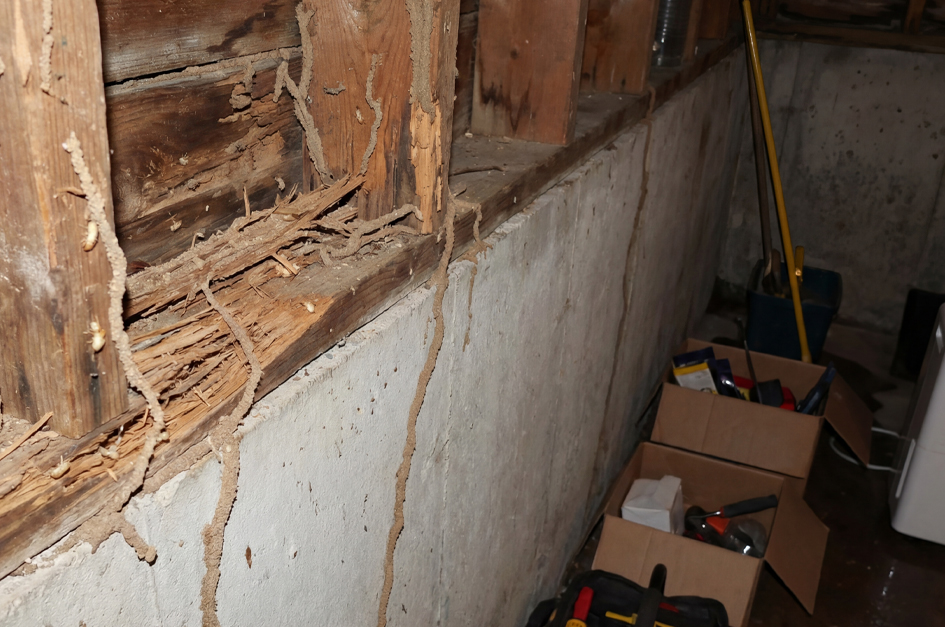
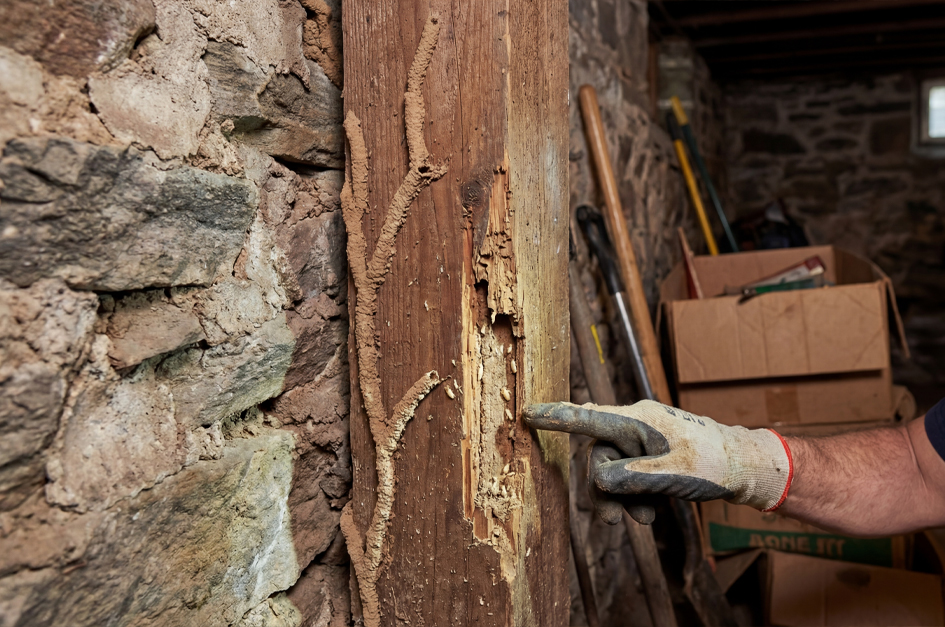
These termites live in the soil and travel to wood using protected pathways—often mud tubes—because they need moisture to survive. Mud tubes are one of the most recognizable signs homeowners can spot.
Termite Anatomy: Tiny Bodies, Big Impact
Termites are soft-bodied insects designed for hidden work. A colony contains different “roles” (called castes), each with specialized anatomy:
1) Workers (the damage-doers)
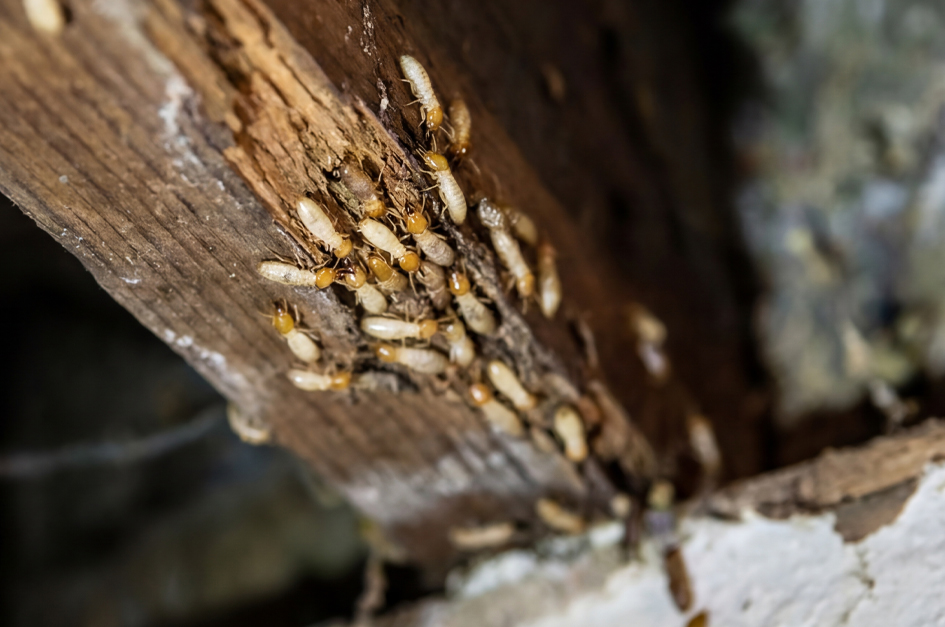
Workers are pale, wingless, and constantly on the move—eating wood, feeding the colony, and maintaining tunnels.
Fun fact: Termites don’t “eat” wood the way we chew food. They process cellulose with the help of microbes in their gut—basically a living digestion team.
2) Soldiers (the defenders)
Soldiers have enlarged jaws (or other defensive structures) used to protect tunnels from ants and other threats.
3) Reproductives / “Swarmers” (the winged ones you notice)
These are darker, winged termites whose job is to leave the colony, pair up, and start a new one. When you find piles of shed wings at windowsills or near lights, it’s a classic swarming clue.
Why Termites May Show Up Earlier Now (Including February)
Termite activity is driven by conditions, not the calendar.
• Subterranean termites swarm in spring/summer, often on warm days following moisture (rain) and calm winds.
• “Termite season” for many subterranean species is commonly described as starting late February to early March and extending through June, which matches what many homeowners now experience during mild winters and early warm spells.
• Even when you don’t see swarmers, termites can still be active—swarming is just the most visible event.
What this means for homeowners:
If you get a few 50–60°F+ days in February (especially after wet weather), termites may become more noticeable—particularly in heated structures, basements, and sun-warmed exterior walls.
What Termite “Signs” Look Like
Homeowners usually discover termites in one of these ways:
1. Swarmers indoors
If swarmers show up inside, it can indicate a colony is established in or under the structure.
2. Discarded wings
Small piles near windows, doors, and light fixtures.
3. Mud tubes
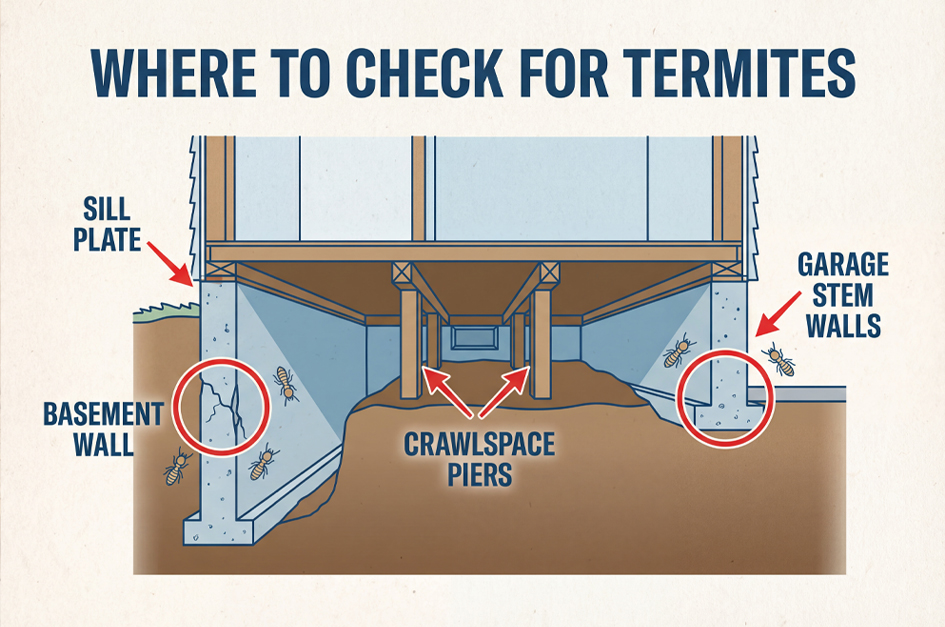
Pencil-sized “tunnels” on foundation walls, masonry, or sill areas.
4. Wood damage that sounds hollow
Wood may appear intact on the surface while being eaten internally.
Common Delaware Vally/Philadelphia Risk Factors (How Homes Become Vulnerable)
Subterranean termites need moisture + wood access. The most common risk factors we see in the Northeast include:
• Wood-to-soil contact (posts, steps, siding, deck framing)
• Poor drainage or downspouts dumping near the foundation
• Chronic moisture in basements/crawlspaces
• Mulch piled high against the house
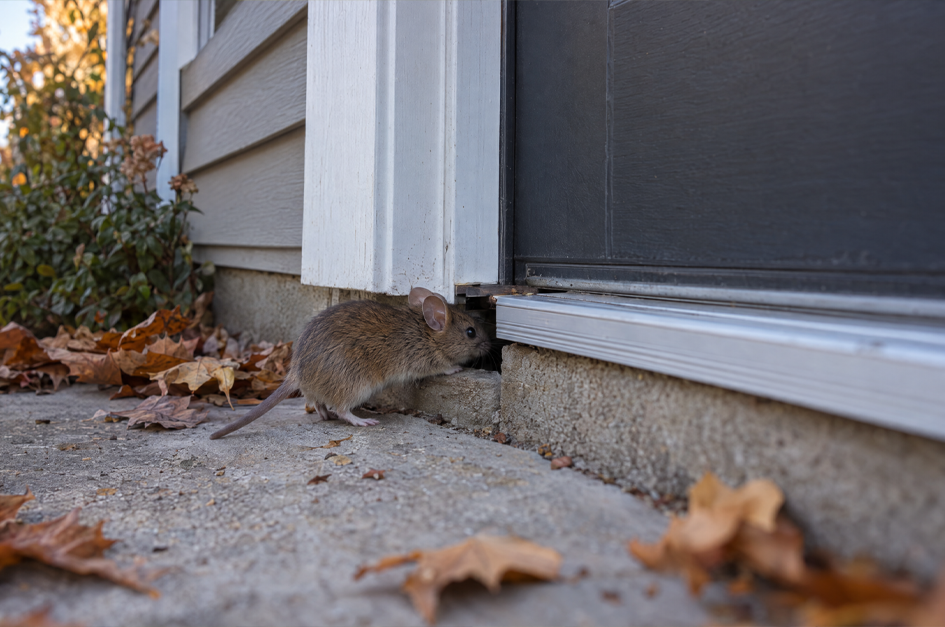
• Hidden entry points around utility penetrations
The EPA emphasizes prevention steps like reducing moisture, fixing leaks, and eliminating wood contact points as principle ways to lower risk.
“Termites vs. Ants” in 20 Seconds (Easy ID Tips)
Homeowners often confuse winged termites with winged ants. Quick general differences:
• Termites: straight antennae, thick waist, wings about equal length
• Ants: elbowed antennae, pinched waist, wings often unequal length
What To Do If You Suspect Termites
1. Don’t disturb mud tubes (it can make activity harder to assess).
2. Take photos/video of wings, tubes, or damaged wood.
3. Schedule Evans Pest Control for a professional inspection—especially if you see swarmers indoors. We recommend annual inspections as part of termite prevention programs.
Evans Pest Control: Smart, Delaware Valley - Ready Termite Protection
Because termites can become noticeable as early as late February during warm spells, it’s a great idea to plan inspections and prevention before peak spring swarming.
If you’ve seen swarmers, discarded wings, mud tubes, or suspicious wood damage, Call Evans Pest Control - we can help you confirm what’s going on and recommend the right next steps.
Article Gallery