Droppings
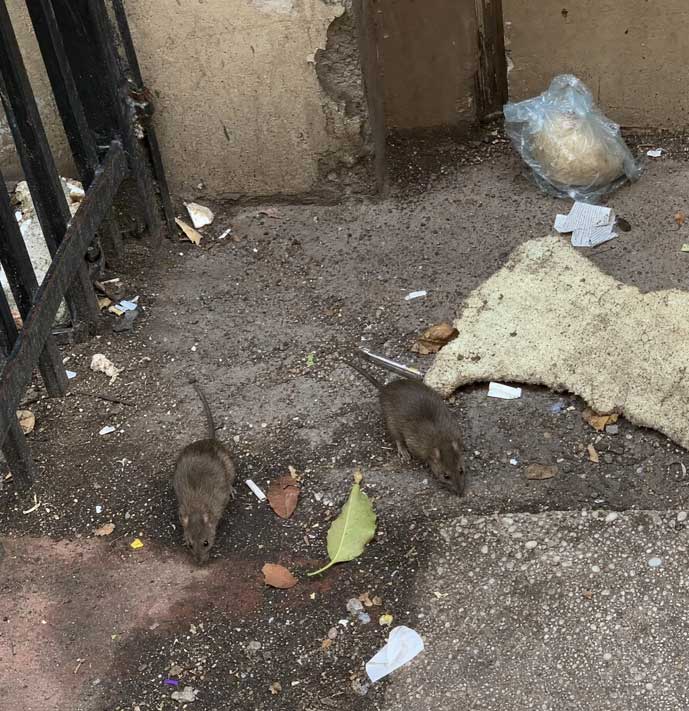
Fresh or older droppings may appear in cabinets, drawers, storage rooms, along walls, near food, beneath equipment or around nesting areas.
Professional rat and mouse inspection, trapping, baiting, monitoring and exclusion guidance for homes, restaurants, businesses and managed properties throughout Philadelphia and the Delaware Valley.
Rodents are adaptable and persistent. Evans Pest Control helps identify entry points, nesting and feeding areas, active travel routes and the conditions supporting the infestation.
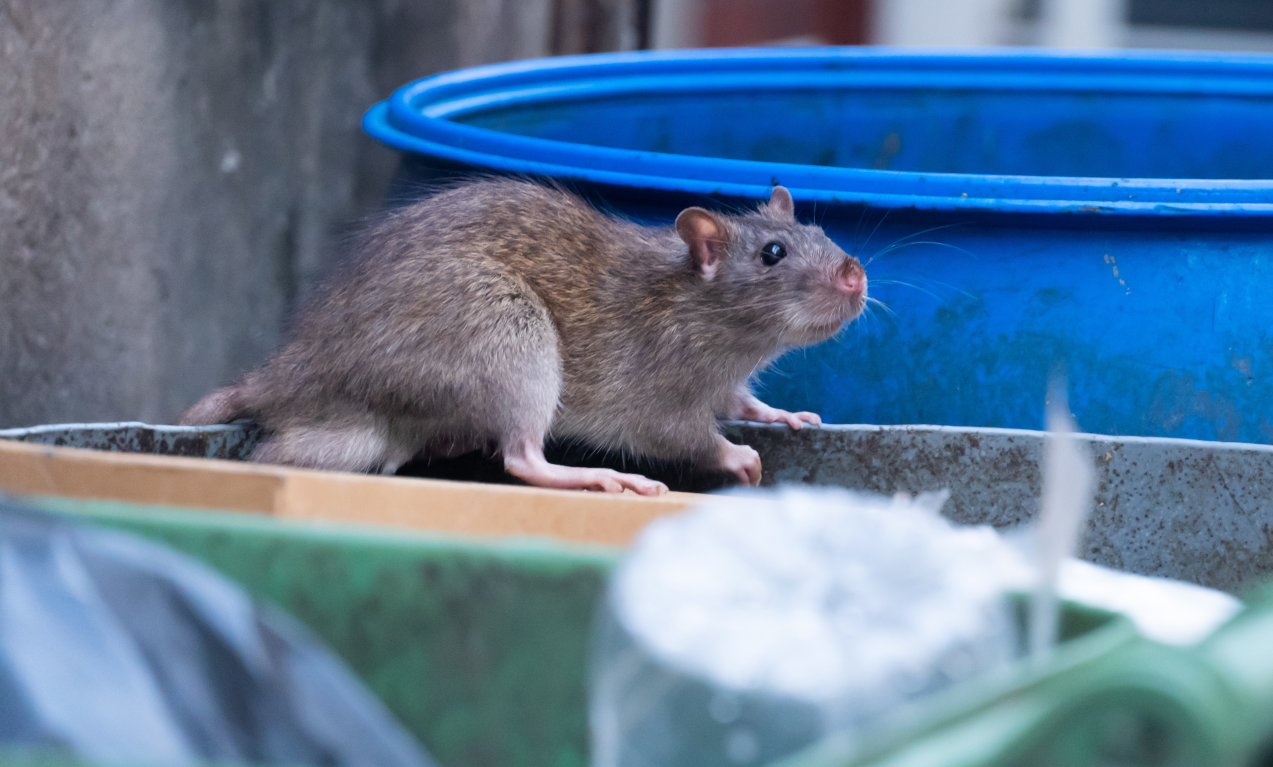
Droppings, scratching sounds, gnaw marks, damaged food packages and sightings along walls or near trash areas can point to rodent activity. Tell us where the signs appeared and whether you suspect mice, rats or both.
A member of the Evans team will follow up with you.
Rats and mice are opportunistic. They take advantage of food, water, warmth, clutter, wall voids, basements, attics, loading areas, alleys, dumpsters and damaged building openings.
Philadelphia rowhomes, connected commercial buildings, restaurants, apartment communities and older structures can create complex rodent conditions. Activity may involve interior nesting, exterior burrows, utility openings, shared walls and food sources on neighboring properties.

Rodents are often active after dark and may remain hidden inside walls, ceilings, cabinets, basements, storage areas and exterior harborage.
Fresh or older droppings may appear in cabinets, drawers, storage rooms, along walls, near food, beneath equipment or around nesting areas.
Movement may be heard inside walls, ceilings, attics, crawlspaces, kitchens or storage areas, especially during quieter nighttime hours.
Rats and mice may chew food packages, wood, plastic, insulation, stored materials and electrical wiring.
Shredded paper, fabric, insulation and other soft materials may be gathered in protected spaces.
Repeated travel along walls, pipes and structural edges can leave rub marks, tracks or worn pathways.
Daytime activity can occur when food pressure is high, nesting areas are disturbed or the population has become established.
Philadelphia's dense neighborhoods, alleys, restaurants, aging infrastructure and abundant food sources can support persistent rat activity. Evans Pest Control has been asked by local media to explain the conditions behind increasing sightings and the importance of professional control.
The first step is understanding whether activity is primarily exterior, interior or moving between the two. A thorough inspection guides trapping, baiting, monitoring and exclusion recommendations.
Watch The NBC10 ReportMice and rats require different placement, equipment, inspection priorities and control strategies.
Mice are smaller and can enter through very narrow openings. Activity is frequently found in kitchens, cabinets, wall voids, storage areas, basements and utility spaces. Droppings are generally smaller and numerous.
Rats are larger and may be associated with exterior burrows, alleys, dumpsters, loading areas, sewers, basements and food-service properties. They can cause significant gnaw damage and may be cautious around new objects.
Rodents can contaminate food, preparation surfaces, storage areas and building materials through droppings, urine, nesting material, hair and direct contact. Fleas, ticks and mites associated with rodents may create additional concerns.
Old droppings and nesting material should not be swept or vacuumed while dry. Disturbing contaminated material can place dust into the air. Follow current public-health cleanup guidance and use professional help when contamination is extensive or located in attics, garages, sheds, crawlspaces or other enclosed areas.
Read The Rodent Health Guide
Gnawed packages, droppings and urine near food or preparation areas require prompt disposal, cleanup and correction of the underlying infestation.
Dry sweeping or vacuuming can disturb contaminated dust. Damp-cleaning procedures and appropriate protective measures are important.
Fleas, ticks and mites may remain after rodents move or are removed, making source identification and coordinated pest management important.
Gnawing can damage insulation, stored materials and wiring. Fresh damage should be inspected and repaired after rodent activity is controlled.
Rodent control works best when immediate activity and the conditions supporting it are addressed together.
We review droppings, gnawing, travel routes, nesting, exterior pressure, food sources and accessible entry points.
The technician evaluates evidence consistent with mice, rats or another animal before recommending control.
Trapping, secured baiting, monitoring or other label-approved methods are selected for the property.
We identify sanitation, clutter, moisture and building conditions that should be corrected to support long-term control.
Summer can provide abundant food, outdoor dining, active construction, trash, vegetation and new harborage opportunities. Rodent populations may expand outdoors and then move into homes, restaurants, warehouses and apartment communities as resources and territories change.
Experience matters because successful control requires more than setting traps or stations. The technician must understand rodent behavior, building construction, travel routes, sanitation, exclusion, monitoring and the operational needs of the property.

Professional rodent work may combine several methods based on the infestation, building and surrounding conditions.
Traps may be placed along active runways and in protected areas based on rodent behavior, safety, access and the needs of the property.
Tamper-resistant stations and other professional equipment may be used where appropriate, following all product labels and site restrictions.
Follow-up checks help evaluate consumption, trap activity, new evidence, exterior pressure and the effectiveness of corrective actions.
Entry points around doors, foundations, utilities, vents, roofs and damaged building materials are documented so repairs can be coordinated properly.
Rodent activity in restaurants and commercial kitchens can affect food safety, equipment, inspections, employee confidence, customer trust and the reputation of the business.
Effective programs require more than setting a few traps. Inspection, sanitation, waste handling, delivery practices, exterior pressure, structural openings and ongoing monitoring must work together.
Use professionally selected traps, stations and monitoring tools where evidence and rodent behavior indicate they are needed.
Improve food storage, cleanup, waste handling, spill response, drainage and leak correction.
Reduce clutter, dense vegetation, stored debris, unmanaged exterior materials and nesting opportunities.
Repair gaps, utility penetrations, damaged doors, vents, foundation openings and other access points in the proper sequence.
Inspection and rodent control for rowhomes, houses, apartments, basements, attics, garages and connected structures.
Rodent management for restaurants, offices, warehouses, retailers, institutions, healthcare environments and industrial properties.
Support for apartment communities, rental properties, associations and managed portfolios experiencing recurring or tenant-reported activity.
These Evans Pest Control videos provide additional information about rat and mouse activity, inspection, behavior and professional control.
Learn more about rodent activity and the importance of inspection-based professional control.
Watch On YouTubeSee additional Evans Pest Control guidance about rodent behavior, warning signs and property risks.
Watch On YouTubeReview how professional inspection and preventive corrections support lasting rodent management.
Watch On YouTube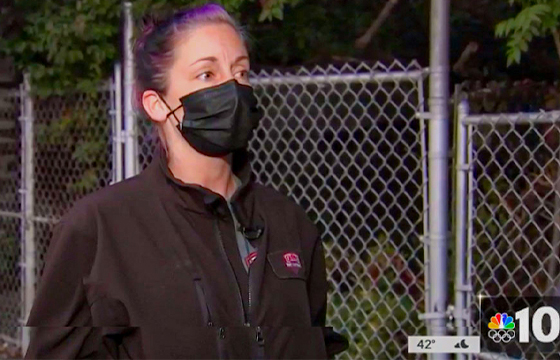
Evans Pest Control explains the conditions behind Philadelphia's rodent pressure and why inspection, sanitation and coordinated control matter.
Watch The Interview
Charles Evans discusses how rats and mice shift their activity when food sources and human behavior change.
Read The Evans Feature
Evans Pest Control discusses why food-service properties need dependable inspection, sanitation, monitoring and structural pest management.
View The FOX 29 FeatureEvans Pest Control provides residential and commercial rodent-management services throughout Philadelphia and surrounding communities. Availability may depend on location, property type and the requested service.
Experienced control for Philadelphia housing, restaurants, businesses and managed properties.
Call (267) 582-2687These answers provide general guidance. Inspection, treatment and exclusion recommendations depend on the property.
Common signs include droppings, gnaw marks, scratching sounds, nesting material, grease marks, damaged food packages, unusual pet behavior and sightings near walls, appliances, basements, attics or exterior harborage.
Mice are generally smaller with smaller droppings and can enter through very small openings. Rats are larger, leave larger droppings and often create more obvious runs, burrows or gnaw damage. A professional inspection can confirm the likely rodent and activity areas.
Rodents enter buildings for food, water, shelter and nesting opportunities. Openings around doors, utilities, foundations, roofs, loading areas and damaged building materials can provide access.
A professional program may include inspection, identification, trapping or baiting, monitoring, sanitation recommendations, exterior pressure reduction and guidance on sealing entry points.
Yes. Rats and mice can gnaw wood, insulation, stored products and wiring, contaminate food and surfaces and create nesting or odor concerns.
Yes. Evans Pest Control provides rodent inspection, treatment and maintenance support for restaurants, offices, warehouses, property-management portfolios, apartment communities and other commercial properties.
Not always. Sealing must be coordinated with control of rodents already inside so animals are not trapped in inaccessible areas or redirected elsewhere. Inspection helps determine the proper sequence.
Store food securely, clean spills and crumbs, manage trash, correct leaks, reduce clutter, trim vegetation, remove exterior harborage and repair openings that allow rodents to enter.
Explore Evans Pest Control articles covering seasonal pressure, health concerns, communication, adaptability, warning signs and professional rodent management.
Learn why warm weather, food availability, construction and outdoor activity can keep rat and mouse pressure high throughout summer.
Read The Summer GuideReview contamination routes involving droppings, urine, food, dust and parasites associated with rodent activity.
Read The Health GuideExplore rat communication, ultrasonic vocalizations and the adaptability that makes rats such persistent urban pests.
Read About Rat CommunicationLearn why humans, house mice and Norway rats have succeeded by adapting to a wide range of environments.
Read The Adaptability ArticleReview the less-visible contamination, allergy, food-safety and property concerns linked to mouse infestations.
Read The Mouse Health GuideRead why enclosed areas with rodent droppings and nesting material require careful cleanup and proactive prevention.
Read The Hantavirus ArticleLook for droppings, gnaw marks, smudge marks, nests, nighttime sounds and common travel routes.
Read The Mouse Warning-Sign GuideSee Evans Pest Control discuss Philadelphia rodent pressure with local media and explain why professional programs matter.
View The Media FeatureFresh droppings, gnaw marks, scratching or a direct sighting should be investigated before the problem spreads.
Tell us what you saw, heard or found and where the activity occurred. A member of the Evans team will contact you to discuss the property and next steps.
A member of our team will follow up with you.