Winter is going bye bye… for now - As temperatures begin to rise homeowners in the Delaware Valley enjoy longer days, blooming trees, and more outdoor activities. Unfortunately, spring also marks the beginning of peak pest activity throughout the region. Many insects and rodents that had remained dormant during the winter months become active again, searching for food, water, and shelter—often insisting they have an open-door policy to your home and business.
Evans Pest Control considers spring to be the most important time to initiate pest control measures. It is the busiest season of the year because pests emerge rapidly once temperatures consistently stay above freezing. Understanding which pests become active during the spring—and why—can help homeowners stay ahead of infestations.
Why Spring Brings Increased Pest Activity
During winter, many pests slow down or enter a dormant state. As temperatures rise, insects are biologically triggered to reproduce, forage for food, and establish new colonies. Increased moisture from spring rains and thawing soil also creates ideal conditions for pests to thrive.
Philadelphia’s mix of historic row homes, dense neighborhoods, aging infrastructure, and nearby waterways like the Delaware and Schuylkill Rivers creates an environment where pests can easily move between outdoor habitats and residential structures.
This combination makes spring the start of the annual population surge.
Common Spring Pests in Philadelphia
Several pests tend to appear more rapidly as the weather warms. Some are simply nuisances, while others can cause structural damage or create sanitation concerns.
Ants
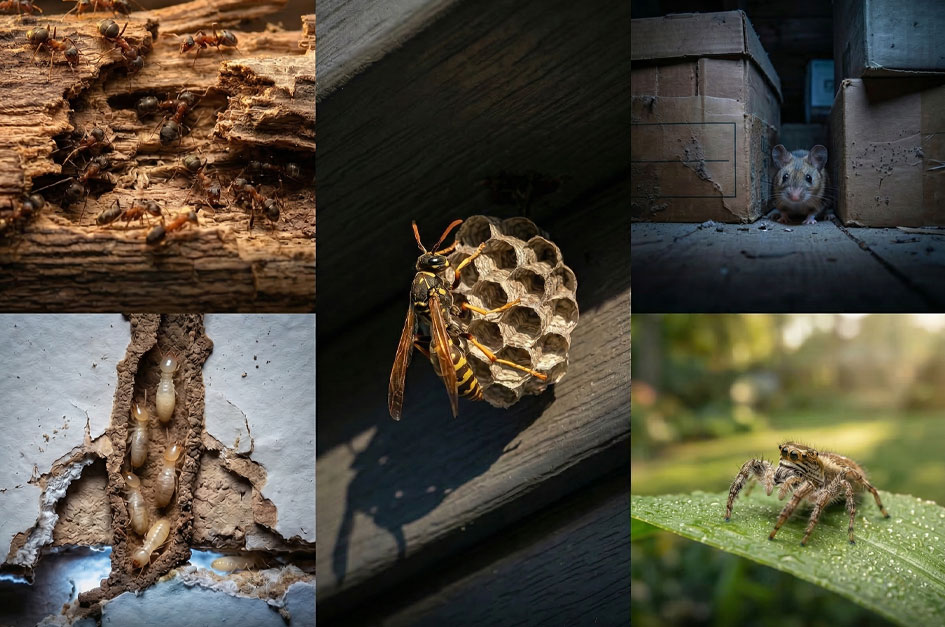
Ants are one of the first pests’ homeowners notice in the spring. As colonies expand, worker ants search for food sources inside kitchens, pantries, and basements. Small cracks in foundations, window frames, and doorways allow ants to enter homes easily.
Certain species, like carpenter ants, can also damage wood structures if infestations go untreated.
Termites
Spring is the beginning of termite swarming season in the Philadelphia region. Winged termites leave mature colonies to establish new ones, often appearing near windows or light sources.
Because termites feed on wood from the inside out, infestations may exist long before visible damage appears, making professional inspections important during this time of year.
Rodents
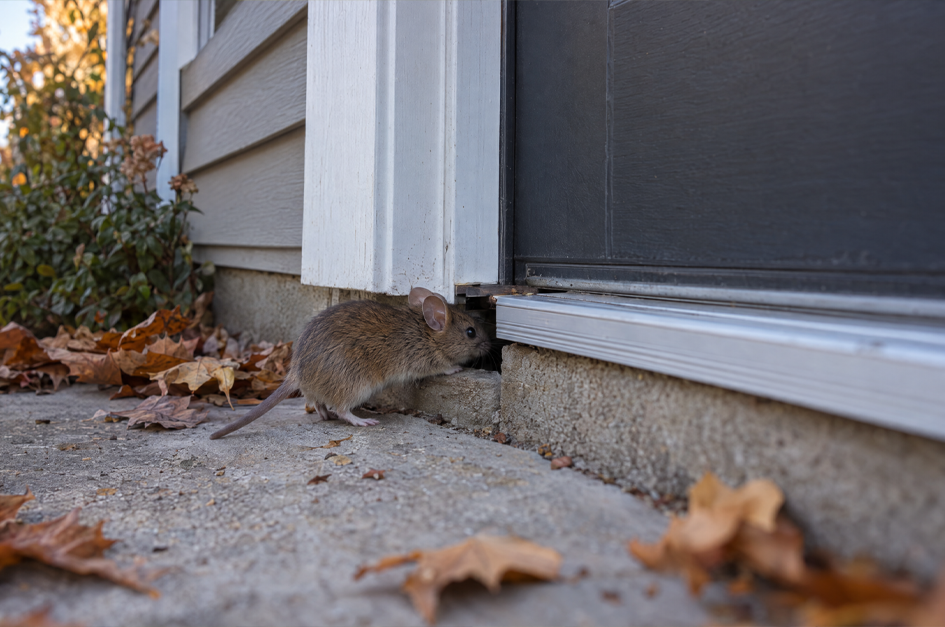
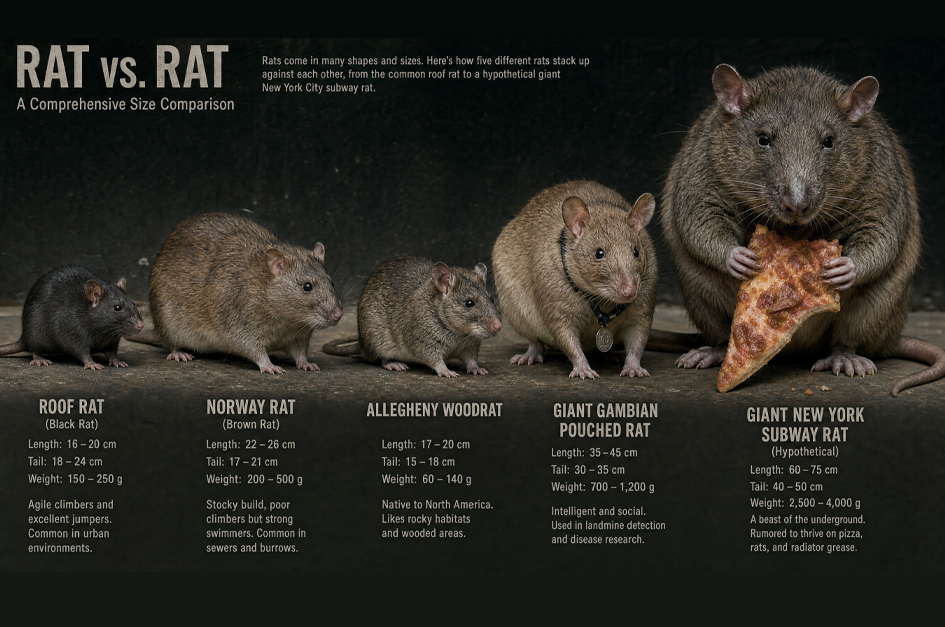
Mice and rats remain active throughout the winter but often expand their search for food and nesting areas during the spring. Philadelphia’s older housing stock and interconnected structures provide numerous entry points.
Rodents can spread bacteria, contaminate food, and damage wiring and insulation.
Stinging Insects
As spring progresses into late April and May, wasps, hornets, and yellow jackets begin building new nests. Early detection is important because nests grow rapidly throughout the summer.
Small early-season nests are much easier to remove than large colonies later in the year.
Spiders and Other Crawling Insects
Spiders, centipedes, and other crawling insects become more visible in spring as they follow the insects they prey on. Their presence often indicates other pest activity nearby.
Moisture: A Major Spring Pest Factor
Spring rains create moisture conditions that attract pests. Damp soil, clogged gutters, leaky pipes, and poor drainage around foundations can encourage pests like termites, ants, and cockroaches to move closer to a structure.
Basements and crawlspaces are particularly vulnerable because they provide cool, dark, and humid environments that many pests prefer.
Preventing Spring Pest Problems
While pests are a natural part of the environment, homeowners can reduce the risk of infestation by taking a few preventative steps:
• Seal cracks around doors, windows, and foundations
• Keep food sealed and clean kitchen areas
• Trim vegetation away from the exterior of the home
• Store firewood away from the house
• Maintain gutters and proper drainage
• Schedule seasonal pest inspections
Proactive pest management helps catch problems before they grow into larger infestations.
Why Early Season Pest Control Matters
Spring is the time when pest populations begin to grow, which means early treatment can prevent larger infestations later in the year.
Addressing pests early can:
• Prevent structural damage from termites or carpenter ants
• Stop colonies from expanding indoors
• Reduce the likelihood of summer infestations
• Protect the health and comfort of your home
Many homeowners choose seasonal pest control programs to maintain protection throughout the year.
Protecting Philadelphia Homes
Philadelphia homes—especially historic properties and older row homes, can have hidden gaps, aging foundations, and shared structural spaces that make pest control more challenging.
Professional pest control technicians understand the unique conditions of Philadelphia neighborhoods, surrounding suburbs, and South Jersey communities, allowing them to identify risks that homeowners might not notice.
Stay Ahead of Spring Pest Season
Evans Pest Control would like to invite you to schedule Spring Pest Maintenance now, before the tipping point occurs. As the weather warms, pest activity will continue to increase across the region. Awareness, prevention, and early action are the best ways to protect your home.
Call us now, and schedule Termite inspections, Spring Pest Maintenances, and If you notice signs of pest activity, we can help prevent a small problem from becoming a much larger one.
Continue Reading
More From The Pest Files
Evans Pest Control
Seeing A Similar Pest Problem?
Tell Evans about the property, activity and warning signs. A member of the team will follow up with the appropriate next step.
- (267) 582-2687
- info@evanspestmgmt.com
- 2607 E Allegheny Ave., Philadelphia, PA 19134
Request Pest-Control Service
A member of the Evans team will follow up with you.